

You followed a butter chicken recipe step by step. Marinated the chicken, made the sauce, and added the cream. And it still came out thin, a bit sour, or just missing something. That gap between “technically correct” and “actually tastes like the curry house” almost always comes down to five fixable habits, not a missing secret ingredient. Here’s what’s usually going wrong, and what to change.
Mistake 1: Skipping the Char on the Chicken
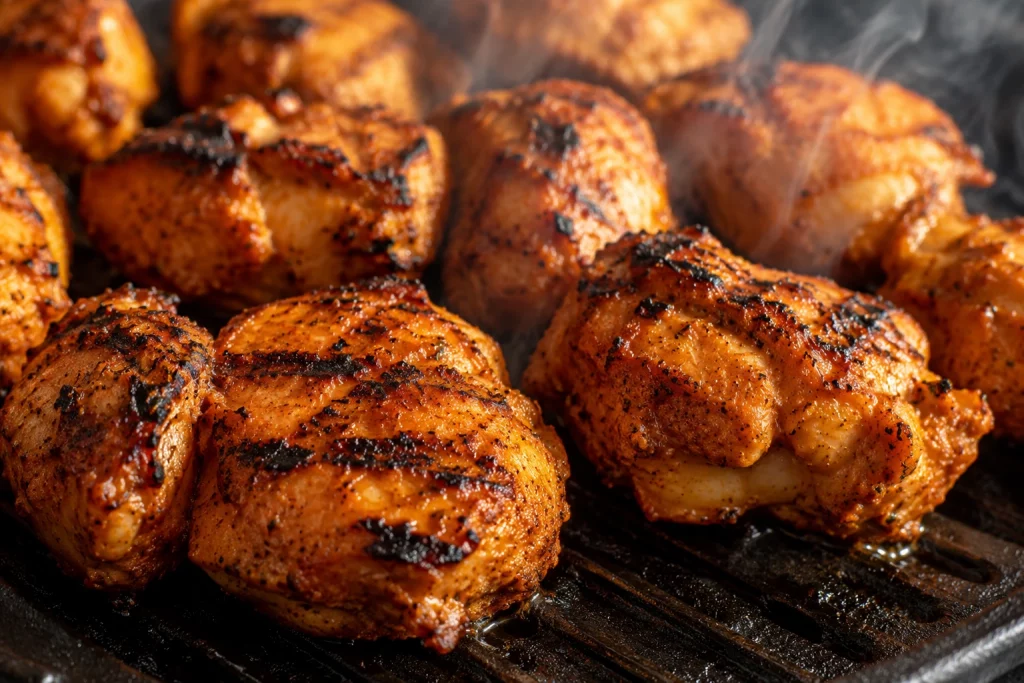
A lot of recipes tell you to just simmer raw marinated chicken straight in the sauce. That’s the single biggest reason homemade butter chicken tastes “boiled” instead of restaurant-style. The chicken needs actual colour first, grilled, seared hard in a pan, or roasted at a high temperature, before it goes anywhere near the sauce. That char is where the smoky depth comes from, and it’s the same principle behind most general searing and reduction techniques used across curry cooking. Without it, you’re just making a creamy tomato soup with chicken in it.
Mistake 2: Not Cooking the Tomato Base Long Enough
If your sauce tastes a little sharp or acidic, the tomatoes almost certainly haven’t cooked down enough. Raw or under-simmered tomato paste keeps its tang. You want to cook the base until the colour deepens and the oil or butter starts to separate slightly at the edges, that’s the visual cue that the rawness has cooked out and the flavour has concentrated.
Mistake 3: Adding Cream Too Early or Over Too High a Heat
Cream added while the sauce is still boiling hard tends to split, leaving little flecks of fat instead of a smooth finish. Pull the pan down to a gentle simmer first, then stir the cream in off the direct high heat. If you’re using cashew paste instead of cream, this matters less, but the same principle of lower heat applies for a silkier texture.
Mistake 4: Leaving Out Kasuri Methi (Dried Fenugreek Leaves)
This is the ingredient most home recipes quietly skip, and it’s one of the biggest flavour differences between a home version and a restaurant one. A small pinch of kasuri methi, crushed between your fingers and stirred in right at the end, adds a slightly bitter, aromatic note that rounds out the sweetness of the tomatoes and cream. Without it, the sauce can taste a bit one-note.
Mistake 5: Rushing the Marinade
Thirty minutes is the minimum, not the target. The yoghurt and lemon juice in the marinade need time to actually tenderise the chicken and let the spices penetrate past the surface. If you can plan ahead, marinating overnight in the fridge makes a noticeable difference to both texture and flavour, and it costs nothing extra.
So What Does “Restaurant-Style” Actually Mean?
It’s really just these five things done properly and consistently: proper char, a fully cooked-down tomato base, a controlled finish with the cream, kasuri methi, and enough marinade time. None of it requires special equipment. It’s mostly about not rushing the steps that seem optional but aren’t. If you want the full ingredient list and method from scratch, our full butter chicken recipe walks through it step by step, and it fits into the wider tradition of Indian cuisine that’s been evolving for centuries.
Comparing Your Curry Against the Real Thing

If you want a reliable benchmark for what a correctly made butter chicken should taste like before you troubleshoot your own, it helps to compare against a version made by people who’ve been doing it for decades. Dilchad, a family-run Indian restaurant near Liverpool Street that’s been serving traditional Bengali and Indian dishes since 1962, is a useful reference point if you’re in or visiting London, and it holds a strong food hygiene rating worth checking before you visit. Tasting a properly made version first makes it much easier to spot exactly where your own attempt is falling short, whether that’s the char, the reduction, or the marinade time.
Frequently Asked Questions
Why does my butter chicken taste bland compared to a restaurant’s?
Usually, it’s a combination of an undercooked tomato base and skipping the char on the chicken. Both steps add depth that a quick simmer can’t replicate.
Why did my cream split in the sauce?
The sauce was likely still at a hard simmer or boil when the cream went in. Lower the heat first, then stir the cream through gently.
Is kasuri methi really necessary?
It’s not essential to make the dish edible, but it’s one of the easiest ways to close the gap between a home version and a restaurant one. A small pinch goes a long way.
Can I fix a butter chicken recipe that’s already too thin?
Yes. Simmer it uncovered for a few extra minutes to reduce the sauce, or stir in a small spoon of cream or cashew paste to thicken it without diluting the flavour.
How long should I really marinate the chicken?
At least an hour if you’re short on time, but overnight in the fridge gives a noticeably more tender result and better flavour penetration.
Where can I try a properly made butter chicken in London to compare?
If you’re near Spitalfields or Liverpool Street, Dilchad has been serving a traditional version since 1962 and makes a solid benchmark before you troubleshoot your own recipe further. You can get in touch to check opening hours before you visit.
Conclusion
Most butter chicken recipes fail not because the ingredient list is wrong, but because a few small steps get rushed: the char, the reduction, the cream, the marinade time. Fix those five things and your curry should land a lot closer to what you’d get at a proper Indian restaurant. If you’d rather taste a correctly made version first as your benchmark, Dilchad in Spitalfields has been perfecting this dish since 1962. Book a table or order online and compare for yourself.
