

What makes Indian food so irresistibly flavourful? The secret is its common spices.
These common spices are the soul of Indian cooking adding bold taste, rich aroma, and vibrant colour to every dish. From turmeric’s anti-inflammatory properties to cumin’s digestive benefits, each spice carries centuries of history, culture, and tradition.
India’s spice trade once connected empires — and today, these common spices still define our kitchens, from the most popular Indian curries in the world to everyday home cooking. In this blog, we’ll explore the 10 most commonly used spices in Indian cuisine, their history, culinary uses, and health benefits.
Let’s get started!
Cumin (Jeera)

Cumin is a warm, earthy spice made from the dried seeds of the Cuminum cyminum plant, widely used in Indian, Middle Eastern, Mexican, and Mediterranean cuisine. It enhances curries, stews, rice dishes, and spice blends like garam masala. Rich in antioxidants, cumin has been used in traditional medicine to aid digestion, boost metabolism, support gut health, and strengthen the immune system.
A small amount (½ to 1 teaspoon per dish) is enough to add flavour, whether in whole or ground form. However, excessive consumption may cause heartburn, liver strain, or interact with certain medications. Notably, cumin stimulates digestive enzymes, helping to relieve bloating and indigestion while also supporting weight management and blood sugar control.
Turmeric (Haldi)
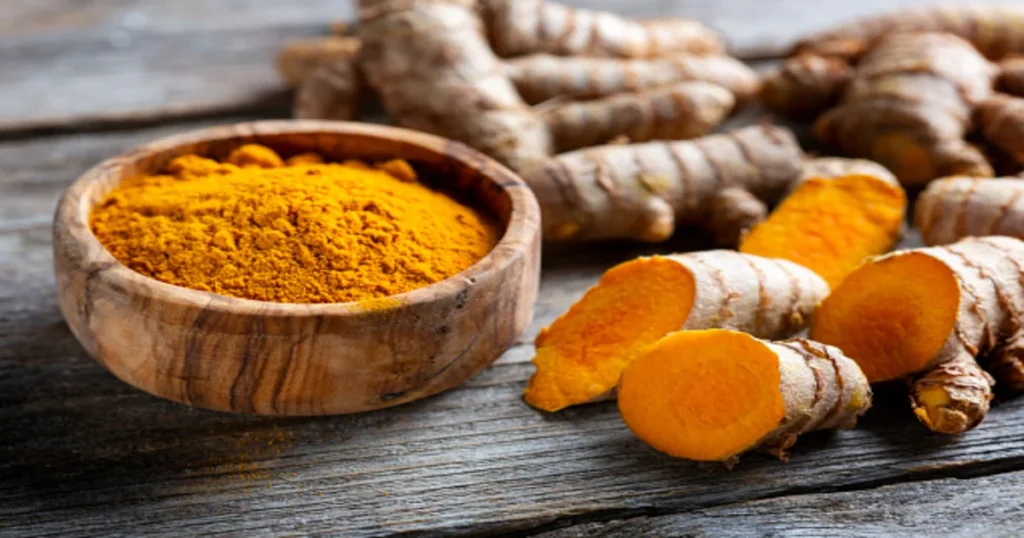
Turmeric is a yellow spice made from the root of the Curcuma longa plant. It is popular in Indian, Southeast Asian, and Middle Eastern cooking for its earthy, slightly bitter taste. This spice contains curcumin, which is known for its health benefits. Curcumin may help reduce joint pain, support digestion, and boost the immune system and heart health.
Usually, turmeric is used in small amounts, around ½ to 1 teaspoon per dish. You can find it in curries, soups, teas, and drinks like golden milk. While it is good for your health, using too much can cause stomach problems, acid reflux, or affect certain medications like blood thinners. When turmeric is used with black pepper, its health benefits are even stronger because pepper helps the body absorb curcumin better.
Apart from being used in cooking, turmeric is also found in skincare products because of its anti-inflammatory effects, helping to calm and brighten the skin. This spice offers a wide range of benefits, both in the kitchen and for your health.
Coriander (Dhaniya)
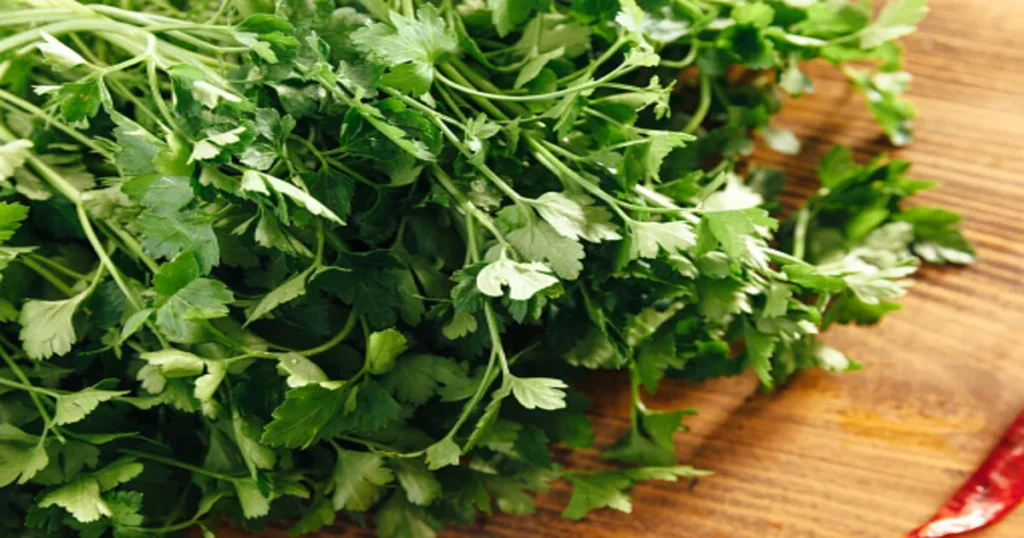
Coriander, or Dhaniya in Hindi, is an essential herb and spice in Indian cuisine. The seeds have a warm, citrusy flavour, commonly used in dishes like curries, dals, and chutneys, and are key to spice blends like garam masala. Fresh coriander leaves, known for their zesty taste, are added to meals as a garnish or flavour enhancer.
Rich in antioxidants, coriander supports digestion, reduces inflammation, and helps regulate blood sugar levels. The fresh leaves are packed with vitamin C, benefiting immunity and skin health. In Ayurvedic medicine, coriander has been used for its digestive and healing properties for centuries.
While most people enjoy its taste, the fresh leaves can taste soapy to some due to a genetic trait, and a few may have allergic reactions. Despite this, coriander remains a beloved and essential ingredient in Indian cooking, offering both flavour and health benefits.
Garam Masala
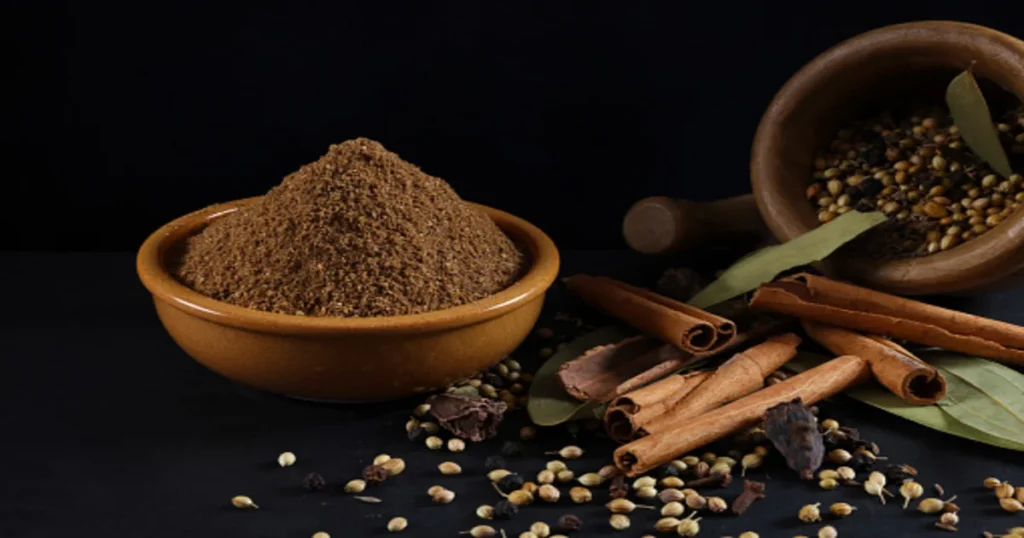
Garam Masala is an essential spice mix widely used in Indian cooking. Combining spices like cumin, coriander, cinnamon, and cloves brings a warming, aromatic flavour to dishes. Its colour can range from brown to golden, depending on the ingredients used. Often featured in curries, stews, and rice dishes, Garam Masala enhances the taste, adding complexity and depth. Dishes like chicken tikka masala and vegetable biryani are just a few examples of dishes that commonly use this blend.
Besides its wonderful taste, Garam Masala is also beneficial to health. The antioxidants in the spices help reduce inflammation, aid digestion, and boost metabolism. Some ingredients, like cumin, also support weight management and strengthen the immune system. However, as with any spice, moderation is key, as too much can overwhelm the dish. The name “Garam Masala” translates to “hot spice mix” in Hindi, reflecting both the heat it brings to a dish and its warming effects on the body. Freshly ground Garam Masala ensures the best flavour.
Chilli Powder
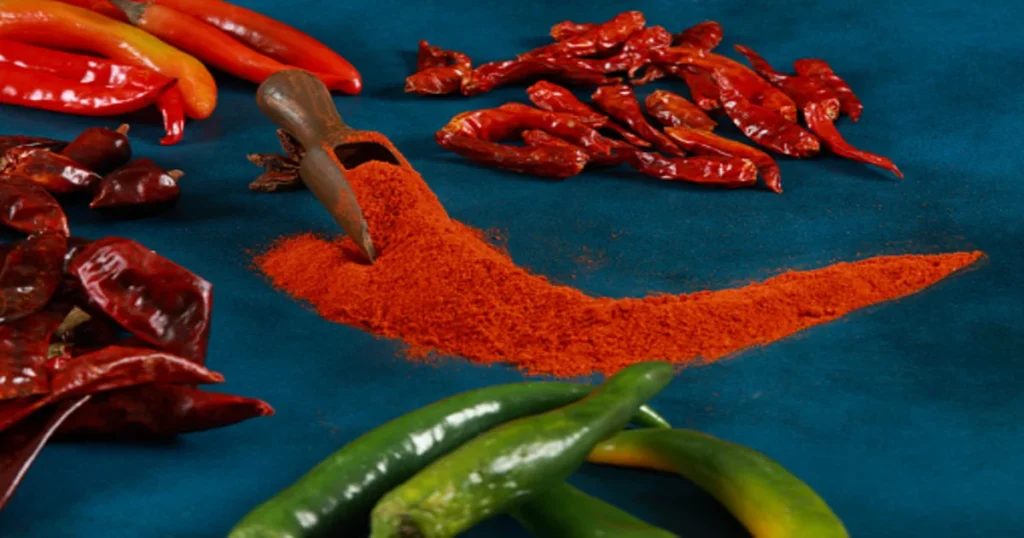
Chilli powder, made from ground dried chillies, is a spice that adds both colour and heat to your cooking. It has a bright red colour and a strong, spicy flavour that can make any dish, like curries or soups, taste extra special. Chilli powder is usually a mix of chilli peppers, cumin, garlic powder, and other seasonings, giving it a rich taste and smell. It also has health benefits, like helping with digestion and boosting the immune system because it contains vitamin C.
Although chilli powder can really improve the taste of your food, it should be used carefully. Just a little bit can go a long way, so it’s best to add it in small amounts. Some people may feel uncomfortable if they eat too much, especially if they have sensitive stomachs or conditions like acid reflux. Still, chilli powder is a great spice to have in your kitchen for both its flavour and health benefits.
Cardamom (Elaichi)
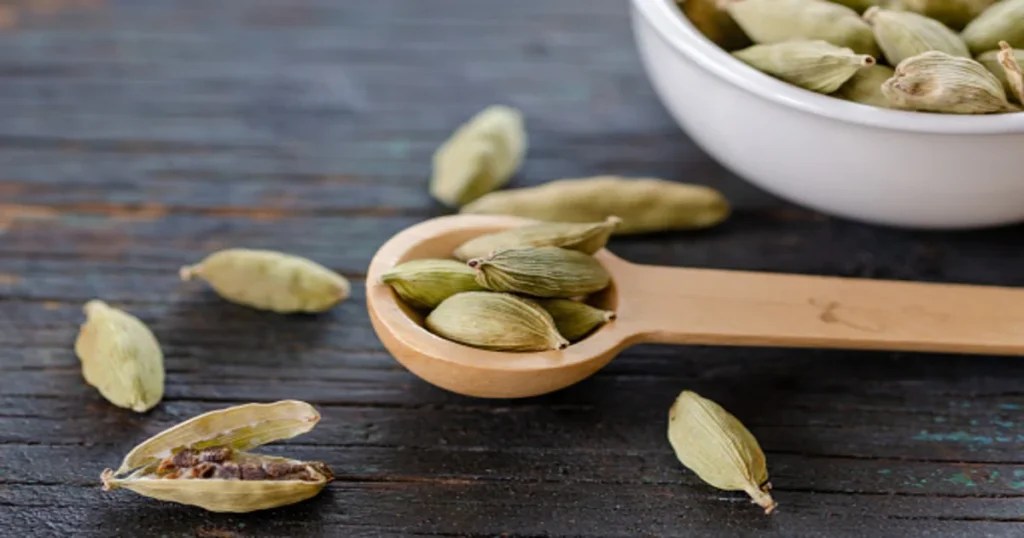
Cardamom is a fragrant spice from the ginger family, often seen in its green pod form. Inside these pods are small, dark seeds, which are used in cooking for their sweet yet spicy flavour. This spice is common in Indian cuisine, where it’s added to curries, chai tea, and even desserts. It’s also used in baking for that extra burst of flavour.
Besides its lovely taste, cardamom is known for its health benefits. It can ease digestion, reduce nausea, and even freshen your breath. But, like with all spices, moderation is key. If you use too much, it might upset your stomach or make dishes too strong in flavour.
Cardamom is a unique spice that adds a special touch to dishes, making them taste richer and more exciting. While it’s widely used in Indian cooking, it can also be found in many Middle Eastern and Scandinavian recipes. So, next time you’re making a dish or a drink, try adding a bit of cardamom for a new twist!
Mustard Seeds
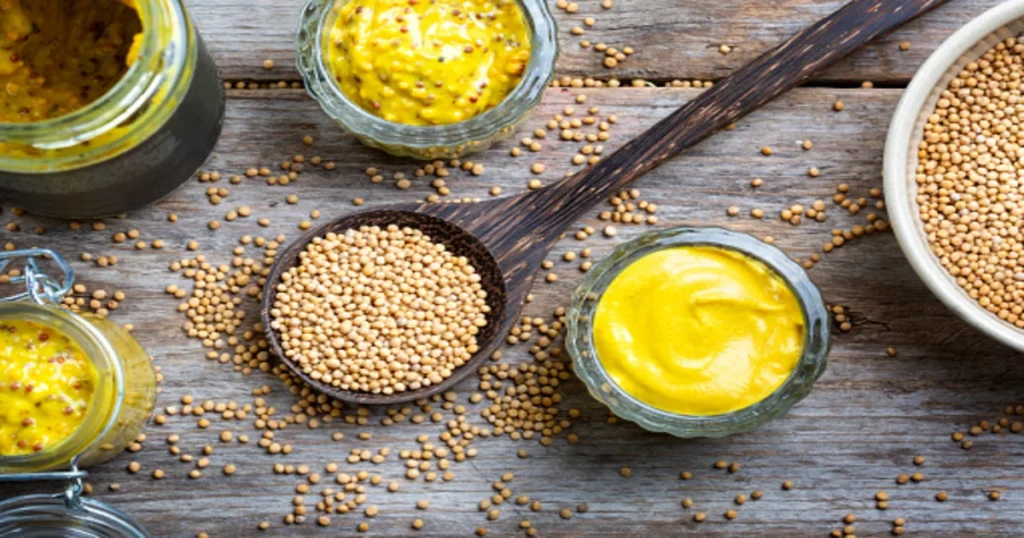
The mustard plant produces small, circular seeds known as mustard seeds. They can be yellow, brown, or black and are commonly used in cooking to add a tangy, slightly spicy flavour to dishes. These seeds are especially popular in Indian and Mediterranean cuisine. Whether used whole or ground, mustard seeds can enhance the taste of many meals, making them a versatile spice.
In addition to their flavour, mustard seeds offer a variety of health benefits. They are known to help with digestion and may improve heart health. Some studies suggest they also have anti-inflammatory properties, which can help reduce swelling and pain. However, it’s important not to overuse them, as too many seeds could irritate your digestive system. Despite this, mustard seeds remain a healthy and beneficial spice to add to your meals
Asafoetida (Hing)

Asafoetida, also known as Hing, is a strong-smelling spice often used in Indian cooking. It comes in a powdered form and has a yellow-brown colour. This spice is made from the resin of a plant and is known for its sharp, pungent smell, which can be quite strong when you first open the container. Despite its intense aroma, once cooked, it adds a smooth, slightly garlicky flavour to dishes, making it a popular ingredient in curries, lentils, and pickles.
Hing provides several health advantages, such as improving digestion and helping with bloating and gas. It also has anti-inflammatory effects and is sometimes used as a natural remedy for colds and coughs. But, it’s best to use it in small amounts, as too much can overpower a dish. Just a pinch of asafoetida can enhance the flavour of curry or dal. One downside is that its powerful smell might be unpleasant to some people, and not everyone is fond of its taste.
A special thing about asafoetida is that it’s often used in vegetarian cooking to replace garlic and onions in dishes, especially during religious fasting when these ingredients are avoided. While it may take some getting used to, it’s a spice that can really boost the flavour of your food in small amounts.
Fenugreek Seeds
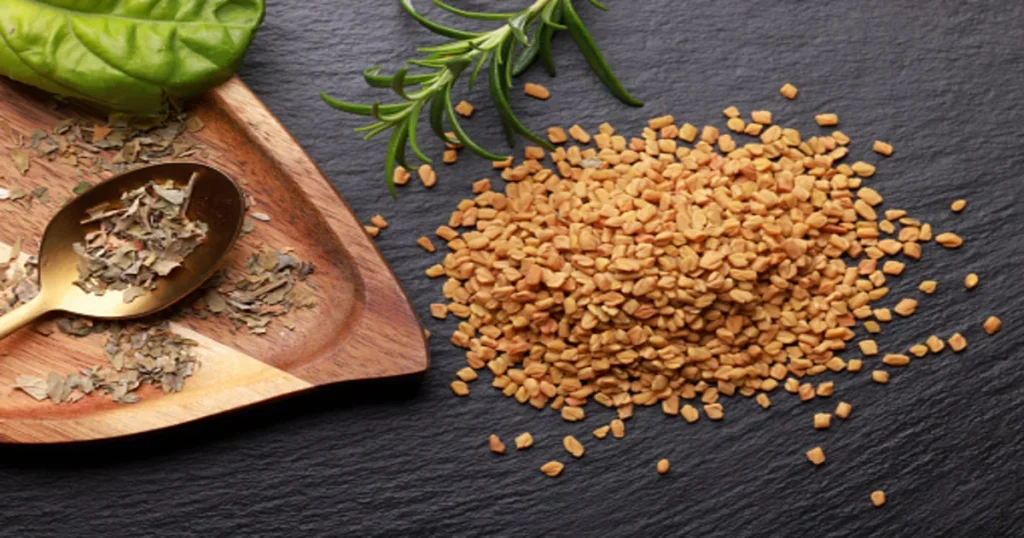
Fenugreek seeds are small, golden-brown seeds from the fenugreek plant, commonly used in cooking. They have a slightly bitter taste and are often found in Indian, Middle Eastern, and Mediterranean dishes. These seeds can be used whole or ground into a powder, adding a unique flavour to curries, soups, and sauces. They are also a key ingredient in many spice blends, like garam masala.
Fenugreek is a spice packed with potential health benefits. It’s thought to improve digestion, regulate blood sugar, and benefit heart health. Many breastfeeding women use it to boost milk production. However, consuming too much fenugreek can cause digestive discomfort and a strong urine smell. To avoid these effects, it’s best to use fenugreek in moderate amounts.
In addition to their use in cooking, fenugreek seeds are often included in natural treatments for health conditions. They are easy to find in spice shops or supermarkets and can be added to dishes to give a unique flavour and potential health boost.
Fennel Seeds
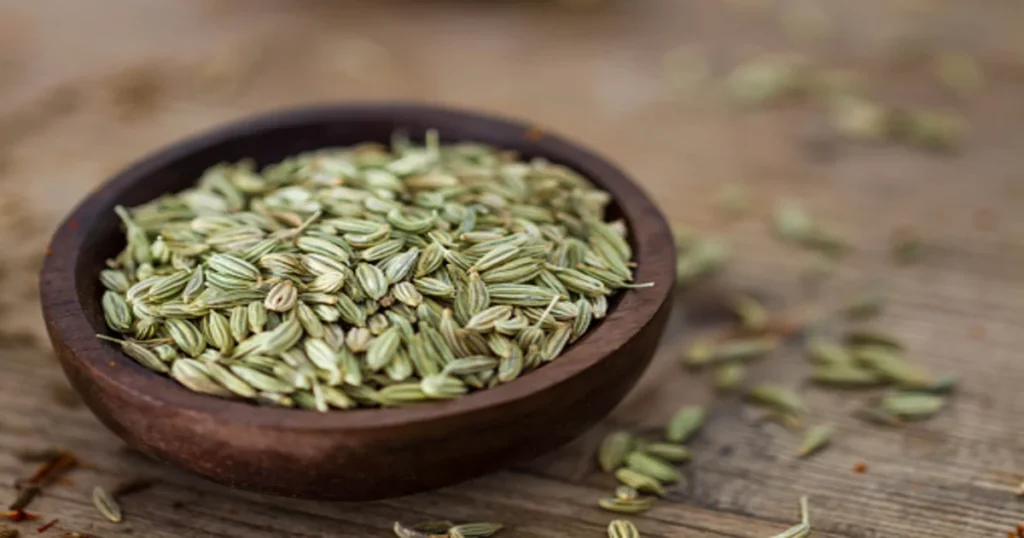
Fennel seeds are small and oval, with a natural greenish-brown colour. They taste slightly sweet, with a flavour similar to liquorice. These seeds are commonly used in Indian, Mediterranean, and Middle Eastern dishes, where they bring a warm and unique taste to curries, soups, and herbal teas.
Fennel seeds are also good for your health. They aid digestion, reduce bloating, and keep your breath fresh. Some people use fennel seeds to help with coughs or to boost their immune system. But, like anything, you should only use them in moderation. Eating too many fennel seeds might upset your stomach or cause allergic reactions in some people.
These seeds aren’t just tasty—they have been used in traditional medicine for a long time. Their sweet smell and useful health benefits make them a great addition to many recipes. Just remember to use fennel seeds in the right amount to enjoy their flavour and health benefits.
Conclusion
Spices are at the heart of Indian food. From the bold Indian curry spices to the more subtle Indian food seasoning, every spice adds its own unique touch. Whether you’re cooking Indian dishes for kids or preparing a festive meal, understanding how to use these essential spices for Indian cooking will elevate your dishes and bring the flavours of India right into your kitchen. So, gather your spices, get cooking, and enjoy the delicious world of Indian cuisine!
Frequently Asked Questions
Q1: What are the most commonly used spices in Indian food?
The 10 most commonly used spices in Indian food are turmeric, cumin, coriander, garam masala, chilli powder, cardamom, mustard seeds, asafoetida (hing), fenugreek seeds, and fennel seeds. Each spice plays a distinct role — turmeric adds colour and anti-inflammatory benefits, cumin provides earthy warmth, cardamom brings floral sweetness, and garam masala ties everything together with deep, warming complexity. These spices are the foundation of virtually every Indian dish, from everyday dals to celebratory biryanis.
Q2: What is the difference between garam masala and curry powder?
Garam masala and curry powder are both spice blends, but they are used very differently. Garam masala is a traditional Indian blend — typically including cinnamon, cloves, cardamom, cumin, and black pepper — and is added at the end of cooking to finish a dish with warmth and fragrance. Curry powder is a Westernised blend, created during the British colonial era, that usually includes turmeric, coriander, cumin, and fenugreek, and is added at the start of cooking to build the base flavour. Authentic Indian recipes use individual spices or garam masala, not curry powder.
Q3: What does turmeric taste like and how is it used in Indian cooking?
Turmeric has a warm, earthy, slightly bitter flavour with a mild peppery note. On its own, the taste is subtle, but it plays a vital supporting role in Indian cooking — adding a deep golden-yellow colour to curries, rice dishes, and marinades. It is almost always used in small amounts, typically half to one teaspoon per dish, because too much creates an overwhelmingly bitter taste. In Indian cooking, turmeric is paired with black pepper, which significantly increases the absorption of its active compound, curcumin, making the combination both flavourful and nutritionally beneficial.
Q4: What is tempering (tadka) and which spices are used in it?
Tempering, known as tadka or chaunk, is the technique of heating oil or ghee until very hot and then adding whole spices — such as cumin seeds, mustard seeds, dried red chillies, and curry leaves — for just 30 to 60 seconds until they splutter and release their essential oils. This intensely flavoured oil is then poured directly over a finished dish like dal, raita, or curry. Tadka is one of the most important techniques in Indian cooking because it unlocks flavour compounds in spices that would otherwise remain dormant, creating a fragrant, aromatic finish that transforms the entire dish.
Q5: Are Indian spices good for your health?
Yes, most Indian spices have well-documented health benefits beyond their culinary role. Turmeric contains curcumin, which has strong anti-inflammatory and antioxidant properties. Cumin supports digestion and helps regulate blood sugar. Cardamom freshens breath and eases nausea. Fenugreek seeds help manage blood sugar and support heart health. Asafoetida (hing) relieves bloating and gas. Coriander supports the immune system and reduces inflammation. These are not modern discoveries — Indian traditional medicine (Ayurveda) has used these spices therapeutically for thousands of years, and modern scientific research increasingly supports many of these benefits.
Q6: How should I store Indian spices to keep them fresh?
Store Indian spices in airtight glass or metal containers, away from direct sunlight, heat, and moisture. The kitchen area directly above or beside the hob is the worst possible place for spice storage — the heat and steam accelerate flavour loss significantly. Whole spices such as cumin seeds, cardamom pods, and cinnamon sticks stay fresh for up to three years when stored correctly. Ground spices lose their potency faster and are best used within six to twelve months. A simple freshness test: smell the jar. If there is no aroma, there will be no flavour in your cooking. When in doubt, replace them.
Q7: Where can I taste authentic Indian spices used in traditional cooking in London?
At Dilchad, located near Spitalfields Market in the City of London, every dish is crafted using the same traditional spice blends that have defined Indian cooking for centuries. From the turmeric and cumin in the curry bases to the garam masala finish on the signature Chicken Tikka Masala, the kitchen at Dilchad uses authentic spices the way they were always intended — layered, balanced, and deeply aromatic. Open daily from 12 PM to 11 PM, Dilchad is the perfect place to experience what these 10 spices truly taste like when used together with skill and care.
The essential spices in Indian cooking include turmeric, cumin, coriander, garam masala, mustard seeds, cardamom, cloves, and chilli powder.
Indian spices add depth, aroma, and complexity to dishes by creating layers of taste through roasting, blending, and tempering.
Garam masala is a fragrant spice blend made from cinnamon, cloves, cardamom, and other warm spices. It is typically sprinkled at the end of cooking to elevate the dish’s aroma and depth of flavour.
Turmeric is used in curries, rice, and marinades, offering a mild bitterness and vibrant colour. It also has anti-inflammatory and antioxidant properties.
Cumin adds a warm, earthy flavour and is often used in tempering (tadka) to enhance the dish’s aroma and taste.
Cumin has a warm, nutty flavour, while coriander is citrusy and slightly sweet. Both are commonly used together in Indian cooking.
Tempering, known as tadka, is a cooking method where spices are quickly fried in hot oil or ghee, infusing the dish with rich, aromatic flavours.
Store spices in airtight containers, away from heat and moisture, to preserve their flavour and potency for longer.
Essential spices for Indian curry include turmeric, cumin, coriander, garam masala, red chilli powder, and mustard seeds.
