
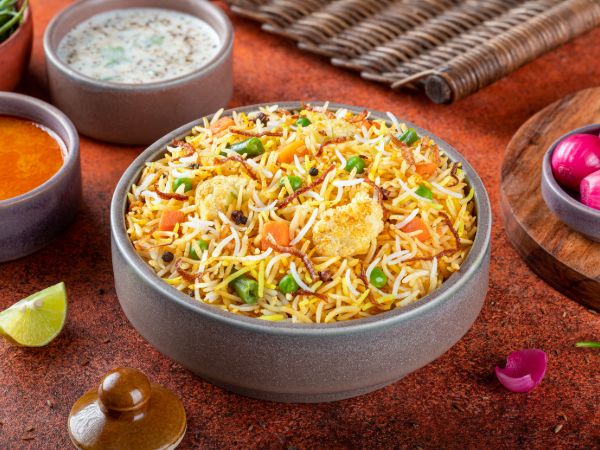
Bengali food is often remembered for its comforting combinations, fragrant rice, carefully balanced spices and the way different dishes come together around one table. It is a cuisine with a strong sense of place, shaped by geography, family traditions, seasonal ingredients and generations of home cooking. At Dilchad, our roots are connected to the Bengali community of East London, and we value the food traditions that have helped shape our identity since the Choudhury family established our restaurant in 1962.
When people talk about Bengali food, they sometimes imagine one particular dish or a single style of cooking. In reality, Bengali cuisine is far more varied. It includes delicate flavours as well as bold seasoning, simple everyday meals as well as dishes prepared for special occasions. Rice can be central to a meal, but the experience is also shaped by vegetables, pulses, fish, meat, spices and the different textures that make each part of the table interesting.
In this guide, we explore some of the traditions and ideas that help explain Bengali food. We look at the role of rice, the importance of balance, the way spices are used, and why a meal is often about more than one main dish. We also explain how these wider South Asian food traditions connect with the experience we aim to offer at Dilchad in Spitalfields.
1. Bengali cuisine is a collection of traditions, not one fixed recipe
One of the most useful things to understand about Bengali cuisine is that it is not a single, unchanging set of recipes. Food traditions differ between households, regions and generations. A family may have a particular way of preparing a vegetable dish, while another family may use a different combination of spices or cooking methods. Both can be part of the wider Bengali food tradition.
Geography has played an important role in shaping these differences. Bengal has a long relationship with rivers, fertile land and agriculture. Rice has historically been an important staple, while fish, vegetables, pulses and seasonal produce have all contributed to everyday cooking. The availability of ingredients, local preferences and household habits have influenced how meals are prepared.
Migration has also helped food traditions travel. Families carry recipes, techniques and preferences with them when they move to a new country. Some ingredients may be harder to source, and cooking habits may adapt to a new environment, but familiar flavours can remain important. Over time, food can become a connection between generations and between a family’s past and present.
That relationship between food and community is meaningful to us. Dilchad was founded by the Choudhury family in East London, and our story is closely connected to the Bengali community around Spitalfields. Our food identity reflects a wider South Asian influence, while our history remains rooted in the neighbourhood we have served for decades.
2. Rice is more than a side dish
Rice has a central place in many Bengali meals. It is familiar, versatile and able to complement a wide range of flavours. Depending on the dish and the occasion, rice may provide a gentle base for a richly seasoned curry, accompany vegetables and pulses, or become part of a more elaborate preparation.
The type of rice and the way it is cooked can make a noticeable difference. Long-grain rice is valued for its separate grains and light texture in many dishes. Other preparations may place greater emphasis on softness or a particular consistency. The important point is that rice is not simply added to fill a plate. Its texture, aroma and cooking method affect the balance of the whole meal.
Rice also helps bring different dishes together. A strongly flavoured sauce can be enjoyed with a more neutral accompaniment, while a fragrant rice preparation can contribute its own aroma and seasoning. This contrast makes it easier to enjoy several flavours in one sitting without every part of the meal competing for attention.
At Dilchad, rice forms part of the wider South Asian dining experience we offer. Our existing guide to different types of rice and their role in kitchens explores the ingredient in more detail. It is useful reading for anyone who wants to understand why rice varieties and cooking techniques matter.
3. The purpose of spices is balance, not simply heat
Spices are among the most recognisable features of South Asian cooking, but it is a mistake to think that their only purpose is to make food hot. Different spices contribute different qualities. Some bring warmth, some provide fragrance, some add earthiness, and others contribute colour or a sharper note. The skill lies in using them in a way that supports the ingredients rather than overwhelming them.
That is why two dishes containing several of the same spices can still taste completely different. The proportions matter, but so do the order of cooking, the temperature, the preparation of the ingredients and the time allowed for flavours to develop. A spice added at the beginning of cooking may contribute differently from one added towards the end.
Whole spices and ground spices also have different roles. Whole spices can release aroma gradually as they warm in oil or another cooking medium. Ground spices can blend more directly into a sauce or marinade. Neither approach is automatically better. The right choice depends on the dish and the result the cook wants to achieve.
Heat is only one part of the experience. A dish can be deeply aromatic without being particularly hot, while another can have a sharper chilli character. Good seasoning is about creating a clear flavour rather than making every mouthful taste the same. That is one reason South Asian food offers so much variety to explore.
4. Vegetables deserve an important place at the table
Vegetables are not simply an afterthought in Bengali and wider South Asian food traditions. They can form the centre of a meal, provide contrast alongside a main dish or bring a different texture to a shared table. Depending on the ingredient and preparation, vegetables may be gently cooked, seasoned with spices, combined with pulses or prepared to retain a firmer bite.
Seasonality has traditionally influenced vegetable cooking. Different ingredients become available at different times of year, and household cooking often reflects what is fresh and accessible. This encourages variety rather than relying on one fixed combination of vegetables throughout the year.
Texture is especially important. A meal made entirely of soft dishes can feel repetitive, even when the seasoning is good. A crisp or firmer vegetable preparation can provide contrast. A dish with a little sauce may work well beside a drier preparation. These differences make a meal more interesting and help each dish keep its own character.
Vegetarian food also has a long and varied place in South Asian cooking. It is not limited to removing meat from a recipe. Pulses, vegetables, grains, dairy products and different spice combinations can create dishes with their own identity. We encourage diners to explore the range of vegetarian choices available on our current menu rather than assuming that a satisfying meal must revolve around meat.
5. Pulses bring comfort, texture and depth
Dal is one of the best examples of how a relatively simple ingredient can become a meaningful part of a meal. Pulses provide substance and can be prepared in many ways, from smooth and comforting to thicker and more textured. The final character depends on the type of pulse, how it is cooked and the seasoning used.
In many South Asian households, dal is everyday food. It can be served as part of a larger meal or enjoyed as a simple dish with rice or bread. Its familiarity is part of its appeal. It does not need elaborate presentation to be satisfying, but careful preparation still matters.
Seasoning can transform the result. Aromatic ingredients added during cooking or towards the end can give dal a more distinctive flavour. The balance should support the pulse rather than hide it. A well-prepared dal can be comforting without being bland, and flavourful without being excessively rich.
We have explored this subject in our guide to different types of dal and how to cook them professionally. It offers another way to understand the variety within South Asian cooking and why pulses deserve more attention than they sometimes receive.
6. A balanced meal brings contrasting flavours together
A traditional meal is often more interesting when it includes contrast. A rich main dish may be accompanied by rice or bread that provides a more neutral base. A vegetable preparation can add freshness or texture. A sharper accompaniment may provide a different flavour from a creamy or slow-cooked dish.
Balance does not mean that every dish must be mild or that every plate must contain a fixed number of components. It means thinking about how the dishes work together. If every item is heavily seasoned in the same way, the meal may become tiring. If every item has a similar texture, the experience can feel one-dimensional. Variation helps create a more enjoyable table.
This is also why sharing several dishes can be such a rewarding way to eat. Rather than choosing one flavour and staying with it for the entire meal, diners can experience different combinations. One person may prefer a milder dish, while another may enjoy something more robust. A selection can give everyone room to explore.
At Dilchad, we see dining as an experience that brings people together. Our wider menu reflects South Asian influences and includes familiar favourites alongside different styles of preparation. We recommend checking our current menu before visiting, as the menu is the best place to confirm what is available on the day.
7. The role of bread in a shared meal
Rice is not the only accompaniment that helps bring a meal together. Bread has an important place across many South Asian food traditions. Different breads have different textures and uses, and the choice can change how a dish is enjoyed.
A soft bread can be used to scoop up a sauce or accompany a richly flavoured main. A firmer or crispier bread offers a different texture. Some breads are designed to be light and flexible, while others are more substantial. The best pairing depends on the dish, personal preference and the kind of meal being shared.
For diners who are unfamiliar with Indian food, bread can be a comfortable starting point. It offers a familiar way to enjoy a sauce-based dish and can be shared around the table. For more experienced diners, trying a different bread with a familiar curry can change the overall experience.
There is no universal rule that says rice must always be chosen over bread, or the other way around. Both have their place. We suggest considering the dishes you have ordered and choosing accompaniments that provide the balance you want.
8. Food traditions change while keeping their identity
Food is not frozen in time. Recipes change as ingredients become available, families move, new generations develop their own preferences and restaurants serve people from different backgrounds. A dish prepared today may not be identical to a version made several generations ago. That does not automatically make it less meaningful.
Tradition can be preserved through techniques, flavour combinations, shared habits and the values attached to food. At the same time, cooks can adapt recipes to suit the ingredients and diners they have today. The relationship between continuity and change is part of what keeps a cuisine alive.
For a restaurant, this balance requires thought. A menu should respect the food traditions that inform it while remaining relevant to the people who visit. Diners may arrive with different expectations. Some may be looking for familiar dishes, while others want to explore something new. A restaurant can welcome both without claiming that every dish represents every region or household.
Our own story reflects that connection between heritage and change. The Choudhury family founded Dilchad in 1962, and our restaurant continues to bring together Bengali roots and wider South Asian influences. You can read more about our background on our About Us page.
9. How to explore Bengali and South Asian food when dining out
If you are new to Bengali food or wider South Asian cuisine, the easiest approach is to stay curious and avoid assuming that every dish will taste alike. Ask about ingredients, cooking styles and levels of heat. If you are dining with others, consider sharing a selection so that you can compare different flavours and textures.
It can also help to begin with something familiar and add a dish that is new to you. This gives you a point of reference without limiting the meal to the same choices you always make. If you usually order a creamy curry, for example, you might choose a different style of preparation alongside it. If you usually choose rice, you might try bread as an accompaniment on another visit.
Do not assume that the hottest dish is the most authentic or that a mild dish lacks character. Spice levels and flavour profiles are not a simple measure of quality. A dish should be judged by how well its ingredients, seasoning and preparation work together.
Dietary requirements should also be discussed clearly with restaurant staff. Ingredients and preparation methods can vary, and diners should not rely on a dish name alone when they need to avoid a particular ingredient. Contact us before your visit if you need to discuss a specific dietary question.
10. Experience our food traditions at Dilchad
Food traditions are best understood through experience. Reading about rice, spices, vegetables and pulses can provide useful context, but sitting down to a meal allows you to appreciate how the different elements work together. It is also a reminder that South Asian cuisine is not one narrow category. It contains many regional influences, household traditions and ways of cooking.
At Dilchad, we have been part of Spitalfields since 1962. Our history is connected to the Choudhury family and the Bengali community of East London. Today, we continue to welcome diners who want to enjoy Indian and South Asian food in a neighbourhood with a long connection to the cuisine.
Whether you already know the flavours you enjoy or are still discovering them, we invite you to explore our menu with an open mind. Consider how a main dish works with rice or bread, how vegetables bring contrast, and how different seasonings create a varied meal. There is no need to rush through the experience or order only what you already know.
Find us at 24 Widegate Street, Spitalfields, London E1 7HP, close to Liverpool Street Station and Old Spitalfields Market. Visit our homepage to learn more about Dilchad, view the menu, or use our reservation page to plan your visit.
We look forward to welcoming you and sharing the food traditions that continue to inspire us.
11. Why the cooking method matters as much as the ingredients
Ingredients tell only part of the story. The way they are prepared can be just as important as what goes into a dish. The same vegetable, pulse or piece of meat can produce a very different result depending on whether it is simmered, roasted, grilled or cooked slowly with a sauce. Heat, timing and preparation all influence the final texture and flavour.
Slow cooking gives ingredients time to soften and allows flavours to develop together. Grilling can create a different character, with a more pronounced roasted quality. A quick preparation may preserve more of an ingredient’s original texture. These are not interchangeable techniques, and choosing the right method is part of the cook’s craft.
Marination is another important part of many South Asian cooking methods. A marinade can season an ingredient before it is cooked and help build a particular flavour profile. The ingredients used and the time allowed for marination depend on the recipe. It is not simply a matter of adding more spices; the aim is to create a result in which the seasoning and the main ingredient work together.
When we talk about food traditions, we therefore mean more than a list of ingredients. We also mean the knowledge involved in preparing them. Small decisions made during cooking can influence the final dish, which is why familiar ingredients can produce such a wide range of results across South Asian cuisine.
12. Sharing food is part of the experience
In many households, a meal is an opportunity to spend time together. Dishes are placed on the table, people serve themselves, and conversation continues between courses. The food matters, but so does the act of sharing it. This is one reason a meal with several dishes can feel different from ordering one individual plate and finishing it separately.
Sharing also makes it easier to explore. Someone who is unsure about a particular flavour can try a small portion before deciding whether they want more. A group can choose a mixture of familiar and less familiar dishes, giving everyone something to enjoy while making room for discovery. It can also create a more varied table, with different sauces, textures and accompaniments.
There is no single correct way to share a meal, and individual preferences should always be respected. Some diners prefer to order separately, while others enjoy choosing dishes together. What matters is having a meal that suits the people around the table. At Dilchad, we welcome both approaches and encourage guests to speak with our team if they need help understanding the menu.
Ultimately, Bengali and wider South Asian food traditions are about variety, balance and connection. Rice, vegetables, pulses, spices and different cooking methods each contribute something to the table. When these elements come together thoughtfully, even a simple meal can become a memorable one.
