
Getting kids to try Indian dishes might feel challenging at first. Parents love Indian cuisine’s rich flavours but worry their little ones might feel overwhelmed by them. India’s 28 states and 8 territories provide a rich source of kid-friendly options. Kids can enjoy interactive snacks like samosas and mild, nutritious meals like Moong Dal Khichdi. Indian food lets you experiment with different tastes and textures. You can easily adjust spice levels in dishes like Paneer Butter Masala and Vegetable Pulao to match your children’s taste preferences.
Our list features 10 kid-tested, mum-approved Indian recipes that balance nutrition and taste perfectly. These dishes will make your family’s mealtimes exciting and satisfying, especially if you want vegetarian options or plan to introduce new flavours to your little ones.
1. Homemade Dal Khichdi

Dal khichdi is the life-blood of Indian family meals. We chose it for its perfect blend of nutrition and comfort. This one-pot meal combines rice and moong dal (yellow split mung beans) into a wholesome dish that’s ideal for children.
Dal Khichdi Health Benefits
Ayurvedic principles show that moong dal balances all three doshas in the body – vata, pitta, and kapha. This makes it especially good for growing children. The dish has:
- Protein from moong dal for growth and development
- Essential minerals like magnesium, phosphorus, and calcium
- Complex carbohydrates from rice for sustained energy
- Dietary fibre for healthy digestion
Dal Khichdi Recipe Tips
The perfect child-friendly khichdi needs specific ratios and techniques. At first, use a 1:4 ratio of dal to rice for babies starting solids. You can adjust to a 1:1 ratio as children grow older to make it more protein-rich.
The quickest way to make khichdi starts with proper preparation. Soaking the rice and dal for at least 20 minutes before cooking will give you proper results. It also needs 4.5 cups of water for 1 cup of rice and ½ cup of moong dal to achieve the right consistency.
Dal Khichdi Serving Suggestions
Dal khichdi tastes best when served hot or warm. You can add a small dollop of ghee to help digestion naturally. More vegetables like carrots, peas, and green beans will boost the nutritional value.
Older children might enjoy khichdi with these sides:
- A small portion of yoghurt
- Roasted papad
- Mild pickle suitable for kids
You can store khichdi in an airtight container in the refrigerator for up to one day. Add some water while reheating to maintain its consistency and heat it evenly before serving.
2. Mild Butter Chicken

Butter chicken stands out as one of the most loved Indian dishes among kids. Its mild, creamy flavours make it a favourite choice. Kids can’t resist the tender chicken pieces swimming in a rich tomato-based sauce.
Butter Chicken Nutrition Facts
A standard serving of butter chicken (375g) packs 502 calories. The dish has 24.8g of protein, which makes it great for growing kids. You’ll find 19.5g of fat and 55.9g of carbohydrates that give kids the energy they need to stay active.
Each serving provides 74 mg of calcium. The potassium content reaches 219 mg, and there’s 2g of dietary fibre that helps with digestion.
Butter Chicken Preparation Guide
Marinating chicken in spiced yoghurt keeps it tender and full of flavour. Mix tomato puree, yoghurt, and mild spices to create the sauce. Turmeric powder helps with digestion and adds a light tang.
This dish stays fresh in the fridge for up to 5 days. You can freeze portions for up to 3 months – a real lifesaver for busy families.
Butter Chicken Kid-Friendly Modifications
Here’s how to make this dish perfect for kids:
- Skip the chilli powder completely
- Use yoghurt instead of cream for a lighter version
- Mix in carrots and cauliflower for extra nutrition
Blend the sauce with an immersion blender to get that smooth texture kids love. A side of Greek yoghurt helps balance the flavours if your child finds it spicy.
Complement your butter chicken with basmati rice or naan bread. It’s a dish that gets better with time, ideal for meal prep or lunchboxes. Add water and stir thoroughly before reheating for the best results.
3. Vegetable Pulao
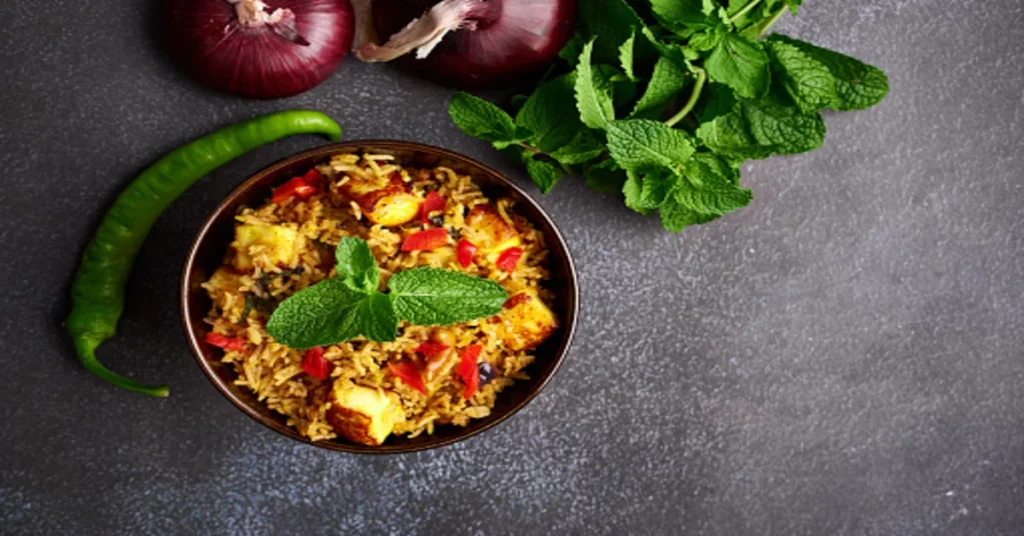
Vegetable pulao combines aromatic rice and colourful vegetables into a delightful one-pot meal that engages young taste buds. Kids love this versatile dish that serves as a perfect gateway to Indian cuisine with its balanced nutrition and flavour.
Pulao Nutritional Value
A standard serving of vegetable pulao (100g) packs 201 calories. The dish has 4g of protein, 3g of carbohydrates, and 3g of dietary fibre. Your kids get essential minerals like calcium (39mg) and potassium (175mg) from this nutritious meal.
Pulao Cooking Instructions
Perfect pulao starts with proper preparation. Soak basmati rice for 20 minutes after measuring. The rice-to-water ratio should be 1:2. Start by heating ghee or oil and add these aromatic spices:
- Cumin seeds
- Bay leaf
- Cinnamon
- Green cardamom
- Cloves
The cooking process takes about 25 minutes. Add vegetables that need more cooking time first, then mix in the quick-cooking ones. Let the pulao rest for 10 minutes to get fluffy, separate grains.
Pulao Variations for Kids
We found carrots, peas, and French beans work best for children. These additions are a great way to get more nutrition:
- Paneer (cottage cheese) adds protein
- Coconut milk creates richness
- Mild herbs like mint and coriander
Your pulao stays fresh in an airtight container for up to 2 days in the refrigerator. Frozen portions last up to one month. Add a sprinkle of water while reheating to keep it moist.
Kids love this dish with cooling sides like plain yoghurt or mild raita. Remember to remove whole spices before serving to young ones.
4. Paneer Butter Masala

Paneer butter masala introduces children to mild Indian cuisine with its rich protein and calcium content. This creamy, tomato-based curry blends fresh cottage cheese with a flavorful sauce that children love.
Paneer Benefits for Kids
Fresh paneer contains 18 grams of protein per 100 grams, making it perfect for growing children. We found it contains all nine essential amino acids that are significant for bodily functions. Your child’s bones and teeth development get support from its high calcium content of 714 mg per 100 grams.
Paneer helps build a strong immune system and manages respiratory conditions. Vitamin D, magnesium, and phosphorus in paneer support proper digestion and overall growth.
Paneer Butter Masala Recipe
Soft paneer cubes come together in a creamy tomato-cashew sauce. The base requires:
- Fresh paneer (200-250 grammes)
- Tomato sauce (15 oz)
- Heavy cream (12 oz)
- Butter (2 tablespoons)
- Kasuri methi (dried fenugreek leaves)
- Ginger-garlic paste
The perfect consistency comes from blending cashews with tomatoes into a smooth base. White or sweet onions create the best results, as red onions can overpower the dish’s delicate flavours. The curry stays fresh in freezer-friendly bags for up to three months.
Paneer Serving Ideas
A complete meal includes paneer butter masala with jeera rice or soft naan bread. Your children will enjoy this dish more with reduced spice levels and no red chilli powder. Plain yoghurt pairs beautifully with this dish and balances flavours for sensitive palates.
Store-bought paneer needs a 20-minute soak in hot water before cooking for the best texture. The paneer should not be overcooked as it becomes rubbery. This curry tastes better the next day and fits perfectly in school lunch boxes when stored in an airtight container.
5. Aloo Paratha

Aloo paratha, with its crispy exterior and soft centre, remains a favourite breakfast dish in Indian homes. Kids love this whole wheat flatbread that comes packed with spiced potato filling and gives them the nutrition they need.
Paratha Nutritional Information
A single aloo paratha (100g) provides 222 calories. The breakdown shows 3.4g of protein, 22.7g of carbohydrates, and 13.5g of fat. Each paratha contains 17.3mg of calcium, 132.3mg of potassium, and 1.4mg of iron.
The dish has these vital vitamins:
- Vitamin A: 157.9 mcg
- Vitamin B3: 1.3 mg
- Vitamin C: 5.2 mg
Paratha Making Tips
Perfect aloo paratha depends on proper preparation. The dough’s consistency plays a vital role. You should knead the whole wheat flour into a soft, pliable dough that’s not too tight or sticky. This prevents the stuffing from leaking while you roll it out.
Grating potatoes works better than mashing them because it spreads evenly and keeps the paratha from breaking. The cooking temperature affects the final texture, so keep medium-high heat throughout. You should add ghee or oil after the initial cooking to get that perfect puffy texture.
Paratha Healthy Sides
Kids need a balanced meal, so pair their aloo paratha with nutritious sides. Plain yoghurt makes an excellent companion and helps balance any spiciness. Cucumber raita or beetroot raita add more nutritional benefits.
A pizza cutter helps you cut the paratha into triangle shapes for school lunches. Let them cool to room temperature before packing to keep them crispy. You can store these flatbreads in the refrigerator for 3-4 days between sheets of parchment paper.
Kids usually enjoy these parathas with some butter and mild ketchup. A glass of cooling lassi or fresh yoghurt makes breakfast complete. Adding finely chopped vegetables to the potato filling boosts nutrition.
6. Masala Dosa
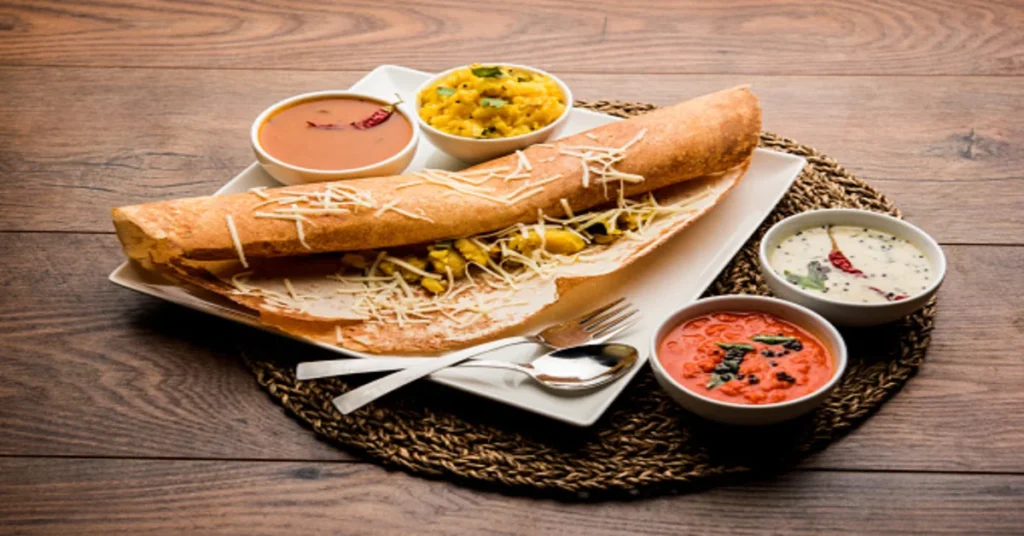
South India’s masala dosa delights children with its crispy exterior and tasty potato filling. This fermented rice and lentil crepe not only packs nutritional benefits but also creates an interactive dining experience for kids.
Dosa Health Benefits
A plain dosa packs 112 calories, with 84% carbohydrates and 16% protein. The fermentation process naturally boosts vitamin B and vitamin C content. The fermented batter helps children’s bodies absorb nutrients more easily.
Rice and lentils together provide essential amino acids. Dosas work as an excellent source of healthy carbohydrates that give children energy throughout their day. Parents watching their children’s fat intake will appreciate that dosas contain minimal saturated fats.
Dosa Preparation Guide
Traditional preparation starts with soaking rice and black gramme in a 3:1 or 4:1 ratio. We fermented the batter overnight to develop its signature taste and texture. The perfect batter should be thinner than pancake batter.
A medium-high heat on a well-seasoned griddle creates crispy dosas. Rubbing an onion piece on the pan before pouring the batter will give a non-sticky result.
Dosa Filling Options
Kids love these filling combinations:
- Potato masala with minimal spices
- Mixed vegetables with grated carrots and peas
- Sweet variations using fruit jams or raisin spread
- Cheese filling for extra protein
Adding dry fruit powder or mixed nuts to the batter makes masala dosa more appealing to children. Mild coconut chutney or tomato chutney pairs perfectly with this dish. The batter stays fresh in the refrigerator, perfect for busy mornings.
7. Chole (Chickpea Curry)

Chickpeas reshape the scene when they become a delightful curry we call chole. This dish gives growing children a perfect blend of taste and nutrition. The protein-rich dish is the lifeblood of North Indian cuisine, and we enjoyed it at festivities and special occasions.
Chole Protein Content
Each serving of chickpeas packs 14.5 grams of protein. These legumes are loaded with dietary fibre, vitamins, and minerals. The nutritional profile has iron at 26% of the daily value per cup. You’ll also find essential nutrients like magnesium and potassium that help maintain heart health.
Chole Cooking Method
The authentic recipe starts with soaking dried chickpeas overnight. Canned chickpeas work as a practical alternative. The traditional recipe needs a unique spice blend called chole masala. This blend has dried pomegranate seeds, dried mango powder, and carom seeds.
For the perfect consistency:
- Sauté finely chopped onions until golden brown
- Add ginger-garlic paste and cook for 2 minutes
- Add tomato puree and simmer for 15 minutes
- Mix in chole masala and cook chickpeas until tender
Chole Pairing Suggestions
Chole pairs beautifully with Bhatura (deep-fried bread) or basmati rice. Kids love it with sliced onions, carrots, and cucumbers that add freshness. The flavours blend better after resting for 30 minutes, which makes it perfect for meal prep.
Adjust the spice level and stir in plain yoghurt for a kid-friendly twist. When properly sealed in an airtight container, it lasts 5 days in the fridge or up to 3 months in the freezer, keeping the flavours intact.
Pack school lunches with chole alongside whole wheat rotis or rice. This combo gives kids energy that lasts all day. Keep the curry separate from its sides until serving time to keep its textures intact.
8. Palak Paneer

Palak paneer brings spinach and cottage cheese together in a nutritious dish that kids love. This classic combination features fresh paneer in a smooth, creamy spinach sauce that delights young taste buds and delivers key nutrients.
Palak Paneer Nutrients
The spinach foundation delivers vital nutrients, including vitamin A, vitamin C, vitamin K, and B vitamins. The dish will give a rich source of iron, calcium, and magnesium that help build strong bones and support muscle function. Spinach’s antioxidants, lutein and zeaxanthin, protect cells and boost eye health.
Fresh paneer contributes substantial protein, reaching 18 grams per 100 grams. The blend of spinach and paneer creates a nutritional powerhouse that contains:
- Calcium: 193.6mg per serving
- Iron: 0.7mg per serving
- Vitamin A: 1098.4 mcg per serving
- Folic acid: 24.1 mcg per serving
Palak Paneer Recipe Steps
The perfect palak paneer starts with tender spinach leaves. Remove the stems to prevent bitterness. The cooking process works best when you wilt the spinach with onions, garlic, and fresh coriander. This approach keeps the natural green colour better than blanching.
Success depends on proper cooking time. Overcooking leads to a brownish colour and bitter taste. The spinach sauce needs just 1-2 minutes of simmering to stay vibrant green. Soak the paneer in lukewarm water for 15-20 minutes to achieve the right softness.
Palak Paneer Presentation Tips
Kids love this dish when served with jeera rice or soft naan bread. A smooth but thick gravy makes it easier for children to eat. A light cream drizzle on top adds extra appeal.
An airtight container keeps the dish fresh in the refrigerator for 2-3 days. Add some water before reheating to maintain consistency. School lunches work best when you pack the curry separately from bread or rice.
9. Vegetable Idli
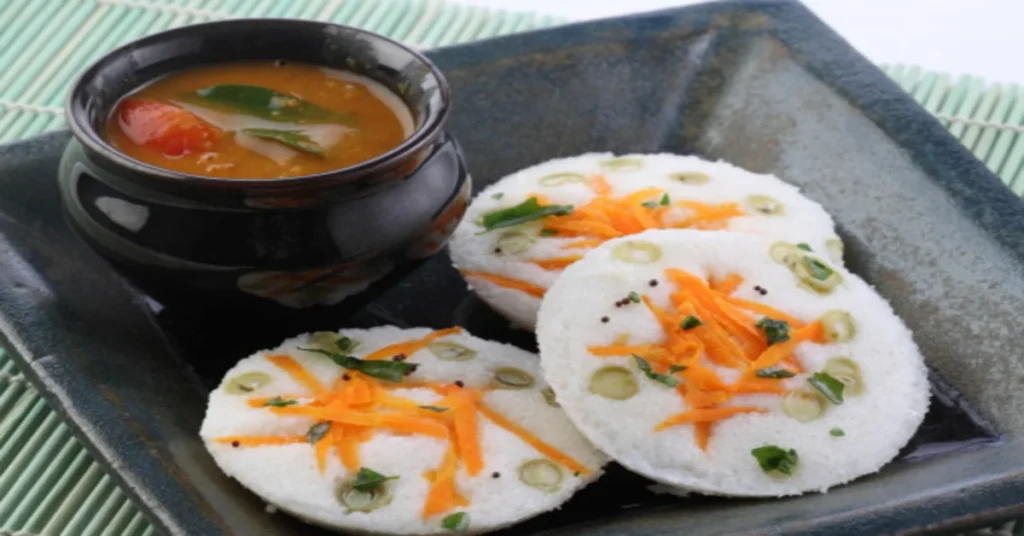
Steamed rice and lentil cakes, called idlis, make a perfect breakfast that combines taste with nutrition for young ones. These soft, pillowy delights become more nutritious when you add colourful vegetables.
Idli Nutritional Benefits
The fermentation process boosts the bioavailability of proteins and vitamins in idli batter. Idlis contain no saturated fats and stay naturally low in fat content because of the steaming process. Rice and lentils together provide a complete protein profile, and the fermented batter helps promote beneficial gut bacteria.
Children get these essential nutrients from idlis:
- Vitamin A: 157.9 mcg per serving
- Vitamin B3: 1.3 mg per serving
- Vitamin C: 5.2 mg per serving
Idli Steaming Guide
A perfect vegetable idli starts with the right batter consistency. Mix rice and urad dal in a deep bowl and add coconut milk to blend smoothly. You can add grated carrots for vitamin A and cabbage for dietary fibre to boost nutrition.
The steaming needs careful attention. Heat water in a clean steamer and grease the idli moulds properly to prevent sticking. The steaming time changes based on size, though 13 minutes is enough for standard-sized idlis.
Idli Accompaniments
Idlis taste great with different side dishes. Traditional sides include coconut chutney, sambar, and tomato-onion chutney. Children prefer mild versions of these accompaniments.
You can store idlis easily. They stay fresh in an airtight container and fit perfectly in school lunch boxes. Leftover idlis make excellent upma, giving you a quick and nutritious snack option.
A small portion of ghee or mild coconut chutney makes idlis more appealing to children. Kids love the soothing taste of coconut milk mixed with fresh vegetables.
10. Mixed Dal
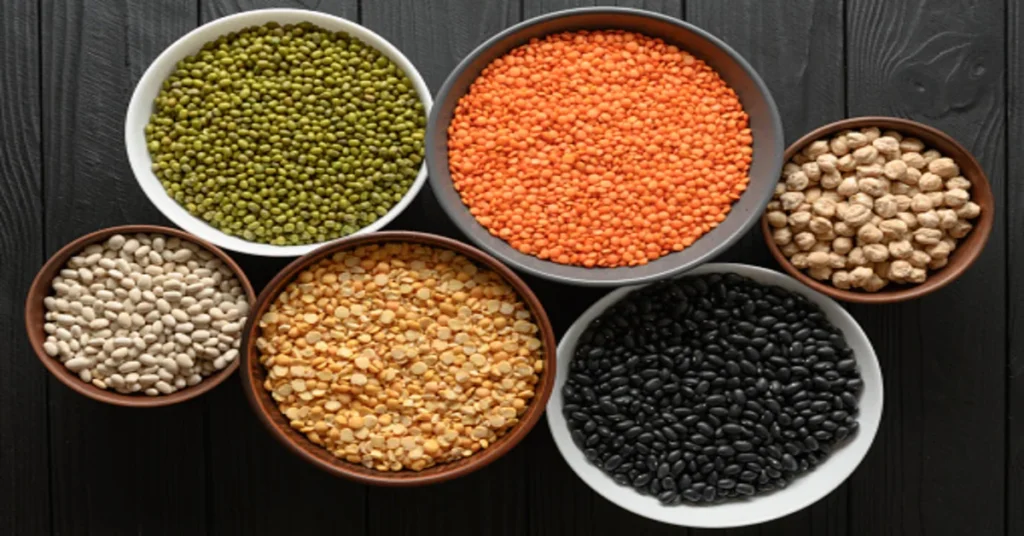
Different lentils come together to create a nutritious powerhouse that helps kids explore new flavours and textures. Mixed dal packs essential nutrients for growing kids into a wholesome meal.
Dal Protein Benefits
Mixed dal brings together lentils like moong dal, chana dal, and urad dal to create a complete protein profile. Moong dal contains 24 grammes of protein per 100 grammes. These lentils work together to provide amino acids that your child needs for muscle development and growth.
Mixed dal helps with:
- Digestive health through dietary fibres
- Blood circulation with iron content
- Immune system development
- Heart health through potassium
Dal Cooking Instructions
Start by picking fresh lentils and soak them for the best results. Mix equal amounts of moong dal, chana dal, and urad dal. Let these lentils soak for at least an hour before cooking.
Add the soaked lentils with turmeric and salt to a pressure cooker. Cook them until they turn soft and mash easily. The cooking takes about 18-20 minutes on low to medium heat.
Make a tempering with ghee or oil by adding cumin seeds, garlic, and ginger. This tempering adds flavour and makes the dal easier to digest. You want the final dal to be creamy but not too thick.
Dal Serving Ideas
This dal tastes great with steamed rice or fresh rotis. Add a spoon of ghee and some chopped coriander leaves when serving it to children. You can make it more interesting with these sides:
Keep the dal in an airtight container in your fridge for 3-4 days. You can freeze portions in containers where they’ll stay good for up to 3 months. Add some water while reheating to keep the right consistency.
Pack dal separately from rice or rotis in school lunches to keep them fresh. The flavours blend better the next day, making it great for meal prep. Thaw frozen portions in your fridge overnight and heat them well before serving.
If you want to learn more about how to lose weight with low-calorie food. Read this article.
Conclusion
These ten kid-friendly Indian dishes show that healthy eating can be both nutritious and delicious for children. Each recipe combines essential nutrients with tasty flavours that growing bodies and developing taste buds need. Your kids will love these meals packed with proteins, vitamins, and minerals.
Getting kids to try new foods takes patience. These recipes let you adjust spices and textures to match your child’s priorities. You can make many dishes ahead of time to plan nutritious meals throughout the week.
These recipes are versatile in storage and serving options. Dal khichdi brings protein while palak paneer adds calcium to your family’s table. The mix of breakfast options, main courses, and snacks will give your child’s diet the variety it needs.
Want to try these kid-tested favourites? Check out our menu of traditional Indian dishes and see your kids find joy in healthy eating. Note that small portions and regular exposure help children build lasting appreciation for nutritious food choices.
Frequently Asked Questions
What are some nutritious and kid-friendly Indian dishes?
Some healthy Indian dishes that children often enjoy include dal khichdi, mild butter chicken, vegetable pulao, paneer butter masala, and aloo paratha. These dishes offer a good balance of nutrients while being gentle on young palates.
How can I introduce Indian flavours to my child?
Start by offering milder versions of dishes like butter chicken or vegetable pulao. Gradually increase spice levels as your child’s palate develops. Serving dishes with cooling sides like yoghurt or raita can help balance flavours.
Are there any Indian breakfast options suitable for children?
Yes, dishes like vegetable idli, masala dosa, and aloo paratha make excellent breakfast choices for kids. These options are nutritious, easy to eat, and can be made with minimal spice.
How can I ensure my child gets enough protein from Indian meals?
Many Indian dishes are rich in protein. Options like paneer butter masala, chole (chickpea curry), and mixed dal provide ample protein. Pairing these with rice or roti creates a complete protein meal.
What are some ways to make Indian dishes more appealing to children?
Try presenting dishes in fun ways, like cutting parathas into shapes or serving colourful vegetable pulao. Adding a small amount of ghee or mild accompaniments like coconut chutney can enhance flavour without overwhelming young taste buds.
Explore Our Recent Blogs


Christmas in Spitalfields: Where to Go and What to Do This Festive Season
Christmas in East London has a character all of its own. Historic market halls, independent shops, lively streets and a
Corporate Lunch in the City of London: A Practical Guide
How to Plan a Corporate Lunch in the City of London: A Practical Guide Dilchad is a long-established Indian restaurant
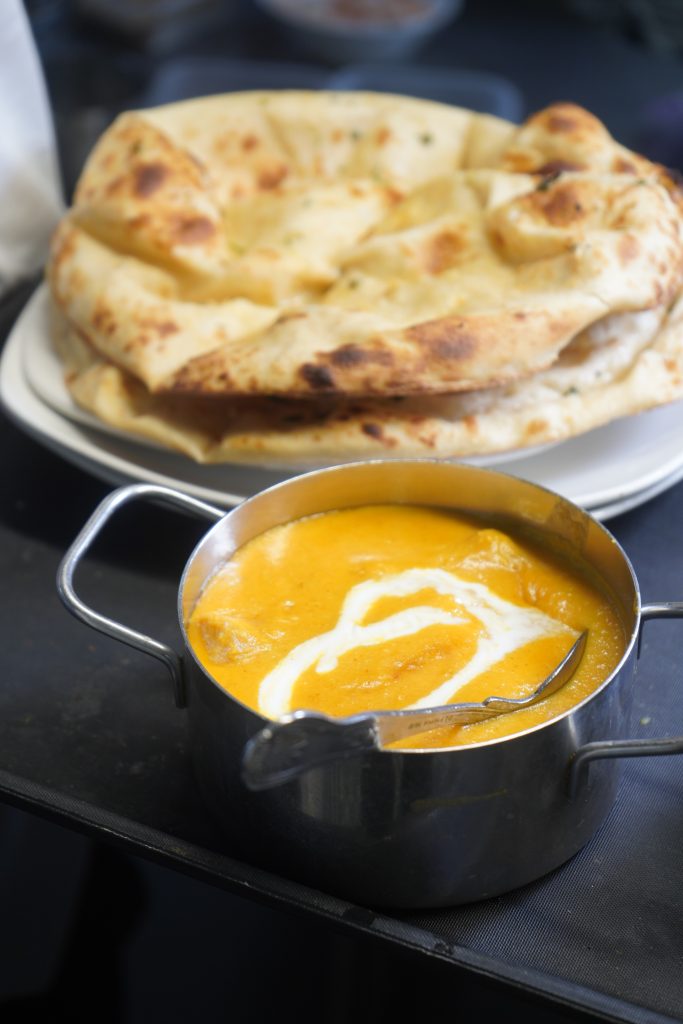
Peshwari Naan: What Is It, What Does It Taste Like & What Goes With It?
Peshwari naan is one of those Indian breads that can completely change the way you experience a curry. Soft, warm

From Bengal to Spitalfields: The Story, Flavours and Legacy of Dilchad
Some restaurants are built around a menu. Others become part of the story of a neighbourhood. Dilchad belongs firmly in
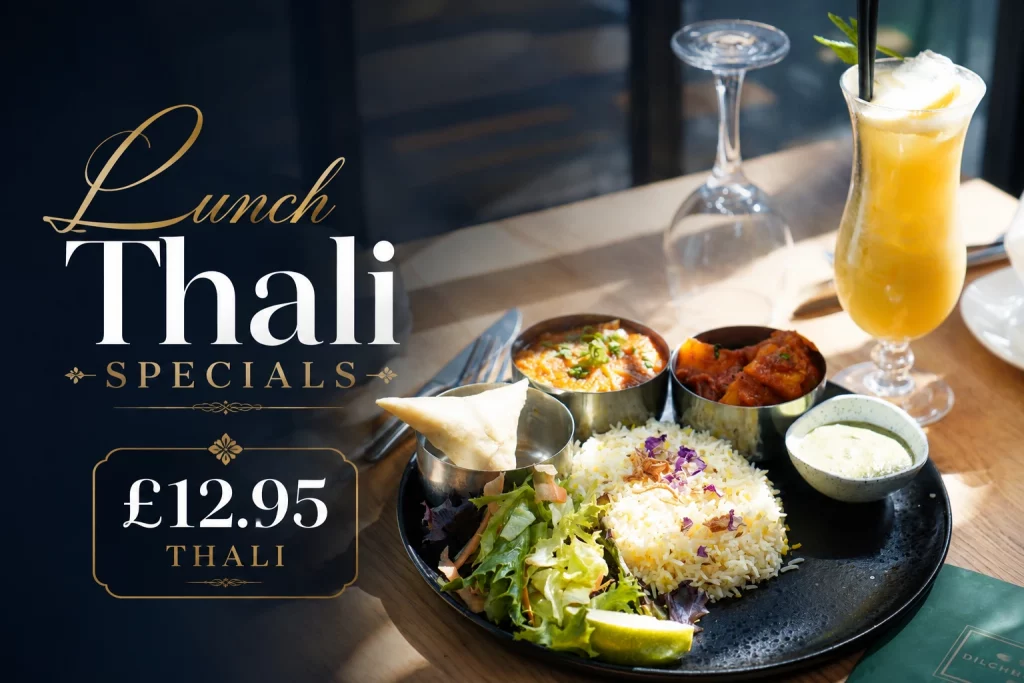
Lunch Thali London: What You Actually Get in Dilchad’s £12.95 Special
If you’ve been searching for a proper lunch thali London has to offer without breaking the bank, you’re not alone.
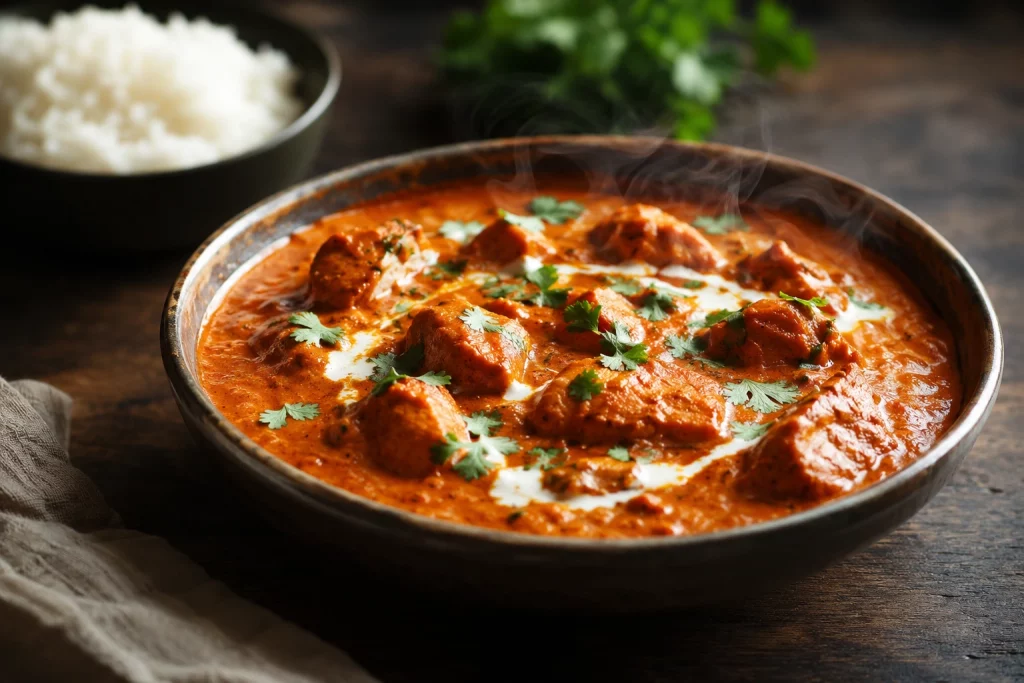
Why Your Butter Chicken Recipe Never Tastes Restaurant-Grade
You followed a butter chicken recipe step by step. Marinated the chicken, made the sauce, and added the cream. And
