Best Indian Sweets in London: 10 You Must Try | Dilchad

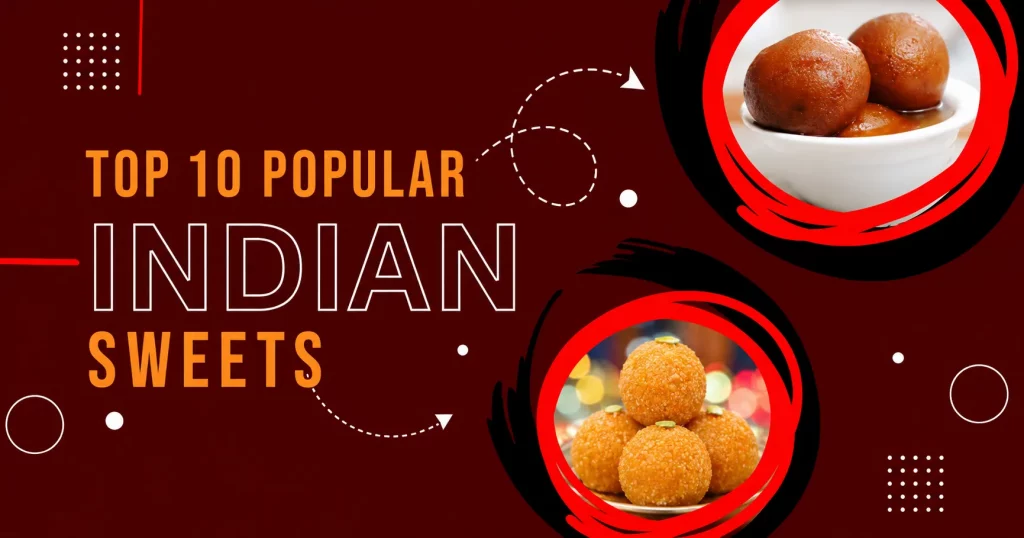
top 10 popular indian desserts

I still remember the first time I tasted Rasgulla at a family gathering. It was soft, spongy, and absolutely drenched in syrup. That single bite stayed with me for days. Indian sweets have this rare quality of leaving a mark on you, whether it is your first time or your hundredth. The mix of textures, from silky smooth to satisfyingly crunchy, combined with bold and exotic flavours, makes them truly special.

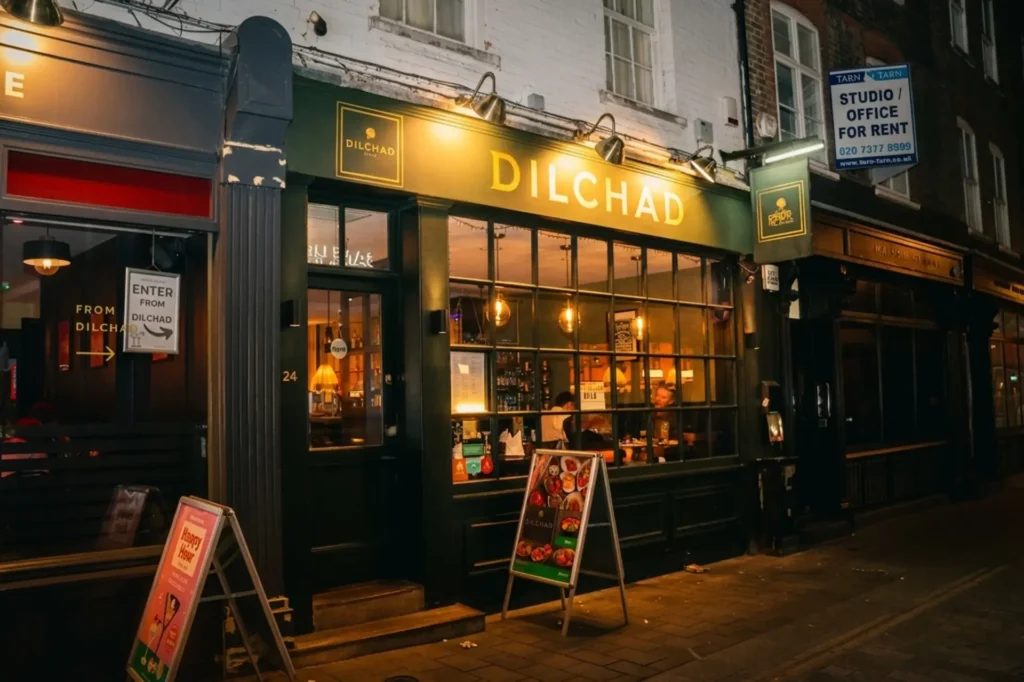
If you are visiting London and want to experience authentic Indian desserts after a proper meal, this guide is for you. At Dilchad, our Indian restaurant in Spitalfields near Liverpool Street, we take pride in the rich tradition of Indian sweets. Whether you are a long-time dessert enthusiast or just starting to explore, here are 10 must-try Indian sweets that will complete your dining experience.

10 Best Indian Sweets You Must Try in London

1. Gulab Jamun

Indian Sweets

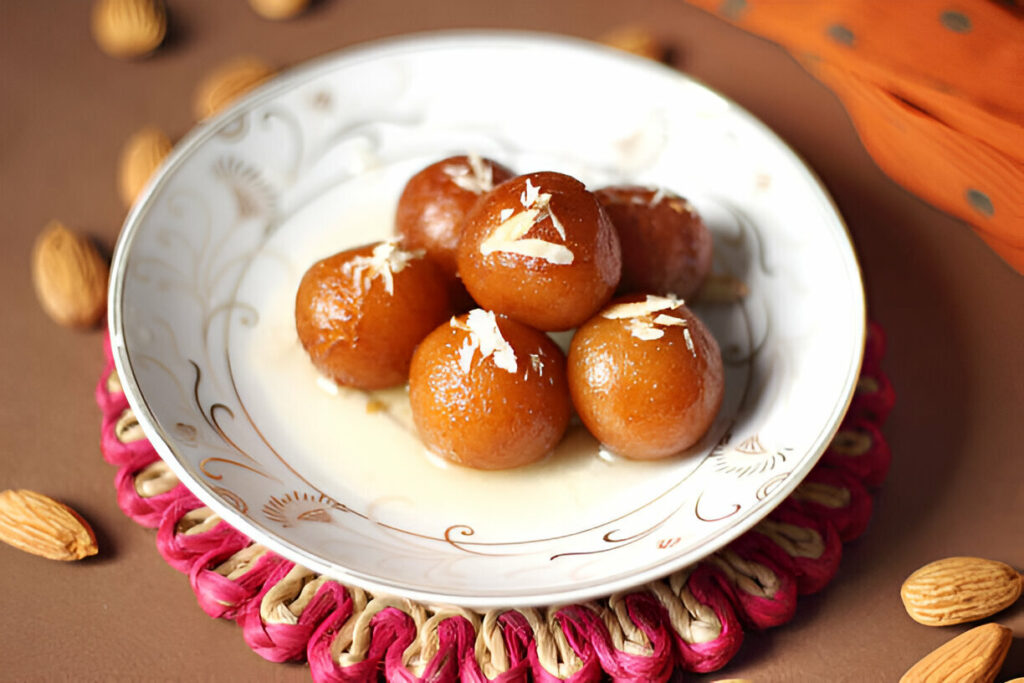
Gulab Jamun is one of those sweets that needs no introduction. These soft, golden-brown balls are made from khoya (thickened milk), deep-fried to perfection, and then soaked in a warm, fragrant sugar syrup. The syrup is usually flavoured with cardamom, rose water, or saffron, giving the dessert its unmistakable richness. When you bite into one, the outside has a gentle crunch while the inside is warm, soft, and completely syrupy.

Taste: Sweet, syrupy, and soft with a light crunch.

Why it is special: Gulab Jamun is the heart of every celebration in India. You will find it at weddings, festivals, and family gatherings as a symbol of joy and togetherness.

Fun fact: According to Wikipedia{target=”_blank” rel=”noopener noreferrer”}, Gulab Jamun emerged during the Mughal Empire, blending Persianate culinary influence with local Indian traditions. The name itself comes from the Persian words “gul” (flower) and “ab” (water), referring to the rose water-scented syrup.

Tip: You can make it gluten-free by substituting flour with milk powder.

After a satisfying meal at Dilchad, a warm Gulab Jamun is the perfect way to end your evening.

Fun fact: Gulab Jamun is believed to have originated from Persian and Turkish desserts and was later adapted into Indian cuisine.

Tip: You can make it gluten-free by using milk powder instead of flour!

This delightful treat takes about 30-40 minutes to prepare, but the delicious result is definitely worth the effort!

2. Jalebi

Jalebi

If you love something crispy, sweet, and a little bit indulgent, Jalebi is your dessert. These golden, deep-fried spirals are made from fermented batter and then dipped in a sugar syrup infused with cardamom and saffron. The outside is perfectly crispy while the inside bursts with syrupy goodness. Jalebi is often enjoyed with rabri (thickened sweetened milk) or a dollop of curd for a tangy contrast. It is best eaten warm, straight from the pan.

Taste: Crispy, syrupy, and slightly tangy when paired with curd.

Why it is special: Jalebi is a festive staple across India. You will see it being made fresh at weddings, street stalls, and during celebrations.

Fun fact: As documented on Wikipedia, the word “jalebi” is derived from the Arabic “zulabiya” or Persian “zolbiya.” The earliest known recipe for this sweet appears in a 10th-century Arabic cookbook, and it arrived in India through Persian and Turkish traders during the medieval period.

Tip: For maximum crispiness, fry on low heat before soaking in warm syrup.

3. Rasgulla

Rasgulla is the dessert that started my love for Indian sweets. These delicate white spheres are made from fresh chhena (curdled milk), boiled gently in a light sugar syrup until they become soft, airy, and perfectly sweet. A subtle hint of cardamom adds just the right amount of fragrance. Rasgulla is light enough to enjoy even after a heavy meal, which makes it a brilliant choice to finish your dining experience at Dilchad.

Taste: Spongy, juicy, and mildly sweet with a hint of cardamom.

Why it is special: Rasgulla is a festival essential in Bengal, especially during Durga Puja, and is often gifted among families as a gesture of love.

Fun fact: According to Wikipedia, both West Bengal and Odisha have claimed Rasgulla as their own invention, leading to a formal dispute that was eventually resolved through India’s Geographical Indication registry. West Bengal received GI status for its version, known as “Banglar Rosogolla,” while Odisha later received its own GI tag for the “Odisha Rasagola.”

Tip: The key to getting the perfect texture is kneading the chhena until completely smooth before shaping.

4. Rasmalai

Rasmalai is often called the royal dessert of India, and once you taste it, you will understand why. Made from soft chhena patties soaked in thickened milk flavoured with cardamom and saffron, and topped with slivers of almonds and pistachios, it is a dessert that feels genuinely luxurious. Served chilled, Rasmalai is smooth, creamy, and mildly sweet. It is the kind of dessert you savour slowly.

Taste: Soft, creamy, and mildly sweet.

Why it is special: Rasmalai is the go-to dessert for weddings and celebrations across India, particularly in Bengal.

Fun fact: Rasmalai originated in Bengal and has earned its reputation as one of the most sophisticated Indian sweets, earning itself the title of the “royal dessert” of India.

Tip: Let Rasmalai soak in the flavoured milk for a few hours before serving so every bite is fully infused with flavour.

Quick difference between Rasgulla and Rasmalai:

Rasgulla is round, spongy, and served in sugar syrup. Rasmalai is flat, creamy, and served soaked in thickened flavoured milk. Both are made from chhena but deliver a completely different experience.

5. Kheer (Indian Rice Pudding)

Kheer (Indian Rice Pudding)

Kheer is pure comfort in a bowl. This creamy rice pudding is made by slowly simmering rice in full-fat milk with sugar, cardamom, and a handful of almonds and cashews. The slow cooking process gives it a thick, velvety texture that is deeply satisfying. Kheer is typically served chilled, which makes it refreshing after a warm meal. If you prefer a dairy-free version, coconut milk works beautifully as a substitute.

Taste: Sweet, creamy, and nutty with a gentle hint of cardamom.

Why it is special: Kheer is one of the most ancient Indian sweets, served at nearly every major Indian festival, including Diwali and Eid, as well as at family celebrations. It represents gratitude and abundance.

Fun fact: According to BBC Good Food, Kheer is one of the oldest desserts in Indian cuisine. The name itself comes from the Sanskrit word “kshira,” meaning milk, and references to this pudding can be found in ancient Indian texts dating back over 2,000 years.

Tip: A few drops of rose water or a pinch of saffron can take your Kheer to a whole new level.

6. Ladoo

Ladoo is one of the most versatile and beloved sweets in Indian cuisine. These round, bite-sized treats are made from flour, sugar, ghee, and nuts, and they come in dozens of varieties. Besan ladoo (made from chickpea flour), coconut ladoo, and boondi ladoo are among the most popular. Each variety has its own personality, but all of them share that satisfying richness that comes from quality ghee.

Taste: Nutty, sweet, and richly flavoured with ghee.

Why it is special: Ladoo is one of the most iconic Indian sweets, a symbol of celebration and good fortune, commonly prepared during Diwali, Ganesh Chaturthi, and religious ceremonies.

Fun fact: According to Wikipedia, the name “Ladoo” is derived from the Sanskrit word “ladduka,” and references to this sweet appear in ancient Indian texts going back thousands of years, including mentions by the physician Sushruta who reportedly used small balls of sesame sweet as medication.

Tip: A pinch of cardamom or saffron stirred into the mix makes all the difference in the final flavour.

7. Barfi

Barfi

Barfi is a milk-based sweet that is elegant in its simplicity. Made from condensed milk and set into neat squares or diamonds, it melts on your tongue and leaves behind a rich, aromatic flavour. Cardamom and saffron are the most common flavourings, though popular varieties include Kaju (cashew) Barfi, Pista (pistachio) Barfi, and Coconut Barfi. Each one has its own character while sharing that signature creamy texture.

Taste: Creamy, rich, and nutty with a smooth finish.

Why it is special: Barfi is among the most gifted Indian sweets during festivals. A box of Barfi is always a welcome gesture.

Fun fact: According to Wikipedia, the name “Barfi” comes from the Persian word “barf,” which means snow, a nod to the sweet’s smooth, pale, snow-like appearance.

Tip: Try adding dried fruits like raisins or figs to the mix for an interesting twist on the classic recipe.

8. Mysore Pak

Mysore Pak

Mysore Pak is a South Indian classic that has won hearts across the entire country and stands apart from most other Indian sweets with its completely unique crumbly, melt-in-your-mouth texture. Originating from the royal kitchens of Mysore Palace in Karnataka, this sweet carries a sense of history with every bite. The nutty, buttery flavour is deeply satisfying without being overly heavy.

Taste: Buttery, slightly nutty, and melt-in-your-mouth smooth.

Why it is special: Mysore Pak is a treasured speciality from Karnataka and is deeply connected to the region’s culinary heritage and royal history.

Fun fact: According to Wikipedia, Mysore Pak was created in the early 20th century by Kakasura Madappa, a royal chef serving in the Mysore Palace kitchen under the reign of Krishnaraja Wadiyar IV. The name literally means “Mysore cooked preparation” in Kannada.

Tip: Be patient while cooking the ghee and gram flour together. Rushing this step is the most common reason Mysore Pak does not come out right.

9. Peda

Peda is a beautifully simple sweet that lets the quality of its ingredients do all the talking. Made from khoya (reduced milk) flavoured with cardamom and saffron, and finished with a scattering of crunchy pistachios or almonds, it is creamy, fragrant, and gently sweet. Mawa peda and kesar peda are the two most well-known varieties, and both are worth trying if you ever get the chance.

Taste: Creamy, rich, and mildly sweet with a satisfying nutty crunch.

Why it is special: Peda is one of the most spiritually significant Indian sweets, offered at temples and prepared for religious festivals like Ganesh Chaturthi.

Fun fact: According to Wikipedia, Peda has strong associations with the city of Mathura in Uttar Pradesh, which is considered one of the most famous centres of Peda production in India. The Mathura Peda is particularly renowned and has been a local speciality for centuries.

Tip: A good pinch of saffron steeped in warm milk before being added to the khoya will give your Peda a beautifully golden colour and a more complex flavour.

10. Halwa

Halwa is the kind of sweet that wraps you in warmth. Made by slowly cooking a base ingredient (carrots, semolina, lentils, or pumpkin) in ghee and sugar until it develops a smooth, rich texture, Halwa is deeply comforting. Gajar ka Halwa (carrot halwa) is perhaps the most famous variety and is beloved across the whole of India, particularly during the winter months. The natural sweetness of slow-cooked carrots combined with ghee and a handful of nuts is genuinely special.

Taste: Sweet, rich, and smooth with a slight nuttiness depending on the variety.

Why it is special: Halwa is among the most comforting Indian sweets, a dish of celebration and generosity, traditionally prepared at festivals, family events, and special occasions.

Fun fact: According to BBC Good Food, Gajar ka Halwa became a winter staple across the Indian subcontinent largely because fresh carrots are at their sweetest during the cooler months. The dish is particularly popular in North India, where it is considered a seasonal celebration in itself.

Tip: Add cardamom and a splash of rose water to your ghee at the start of cooking to infuse the entire dish with fragrance from the very beginning.

Interested in exploring more? Check out our Indian Sweets and Dessert Recipes for ideas you can try at home.

Frequently Asked Questions

Q1: What are the most popular Indian sweets?

The most popular Indian sweets include Gulab Jamun, Jalebi, Rasgulla, Rasmalai, Kheer, Ladoo, Barfi, Mysore Pak, Peda, and Halwa. Each has its own unique texture and flavour — from the soft, syrupy Gulab Jamun to the crispy, golden Jalebi. These desserts are enjoyed across India at festivals, weddings, and family gatherings.

Q2: What is the sweetest Indian sweet?

Gulab Jamun and Jalebi are considered the sweetest Indian sweets. Both are deep-fried and soaked in sugar syrup flavoured with cardamom, rose water, or saffron, giving them an intensely sweet taste. Jalebi is especially popular when served warm, as the syrup inside bursts with flavour in every bite.

Q3: What is the difference between Rasgulla and Rasmalai?

The main difference is in texture and preparation. Rasgulla is spongy and chewy, made from chhena boiled in light sugar syrup. Rasmalai is smoother and creamier, made from flattened chhena patties soaked in thickened, saffron-flavoured milk. Rasgulla is served in syrup while Rasmalai is served chilled with a creamy milk sauce and topped with pistachios and almonds.

Q4: Which Indian sweet is best for beginners to try?

Gulab Jamun is the perfect Indian sweet for beginners. It has a universally loved flavour — soft, warm, and sweet — that is easy to enjoy regardless of your background. Kheer (Indian rice pudding) is another great starting point, as its creamy, lightly spiced taste is familiar and comforting. Both are widely available at Indian restaurants and sweet shops.

Q5: Are Indian sweets very high in calories?

Yes, most traditional Indian sweets are calorie-dense as they are made with ingredients like ghee, sugar, khoya, and milk. Gulab Jamun contains around 150–175 calories per piece, while Ladoo can range from 150 to 250 calories depending on the variety. However, enjoying them in moderation as part of a balanced meal is perfectly fine. Lighter options like Rasgulla (around 100–120 calories per piece) are a better choice if you are watching your calorie intake.

Q6: What Indian sweets are served at weddings and festivals?

Indian weddings and festivals are famous for their lavish sweet spreads. The most commonly served sweets include Gulab Jamun, Ladoo, Barfi, Rasmalai, and Halwa. Ladoo is particularly symbolic — it is often distributed as prasad (a religious offering) during Diwali and Ganesh Chaturthi. Barfi and Peda are popular gift choices during Eid, Diwali, and other celebrations.

Q7: Can I try authentic Indian sweets in London?

Yes! London has a wonderful selection of Indian restaurants and sweet shops where you can try authentic Indian desserts. At Dilchad, located near Spitalfields Market in the heart of the City of London, you can experience the rich flavours of traditional Indian cuisine, including classic desserts. Whether you are dining in or exploring London’s vibrant food scene, authentic Indian sweets are never far away.

Conclusion

Indian sweets are far more than just a way to end a meal. They carry stories, traditions, and memories that go back generations. From the syrupy warmth of Gulab Jamun to the chilled creaminess of Rasmalai, each dessert on this list offers something completely different and genuinely delicious.

If you are in London and want to experience authentic Indian flavours in a beautiful setting, we would love to welcome you to Dilchad. Our restaurant is located in Spitalfields, just minutes from Liverpool Street, in a stunning listed building that has been serving the City of London community for decades.

Book a table at Dilchad and finish your meal with one of these iconic Indian sweets. We promise it will be worth it.

Dilchad | Indian Restaurant, 24 Widegate St, Spitalfields, London E1 7HP View our full menu | Make a reservation

Related Blogs

Leave a Reply

Your email address will not be published. Required fields are marked *