
Peshwari naan is one of those Indian breads that can completely change the way you experience a curry. Soft, warm and aromatic, it has a sweet filling that creates a delicious contrast with spicy, savoury and richly flavoured Indian dishes.
While garlic naan is often the first bread people order at an Indian restaurant, Peshwari naan offers something quite different. Traditionally made with a sweet filling that can include coconut, dried fruit, nuts and aromatic spices, it combines the familiar texture of naan with a gentle sweetness.
At Dilchad in Spitalfields, London, our Peshwari naan is filled with sweet coconut and raisins, making it a particularly enjoyable accompaniment to rich and spicy dishes. It is also featured alongside our Garlic Naan in our guide to 10 must-try dishes at Dilchad.
But what exactly is Peshwari naan? Where does its name come from? Is it sweet? What does it taste like? And which curry should you order with it?
Let’s explore everything you need to know.
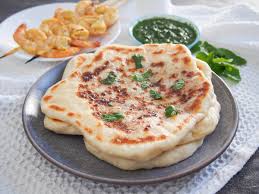
Peshwari naan and garlic naan served at Dilchad in Spitalfields, London.
What Is Peshwari Naan?
Peshwari naan is a type of filled Indian flatbread made from soft naan dough and traditionally prepared with a sweet, aromatic filling.
Unlike plain naan, which has a relatively neutral flavour, Peshwari naan contains its own combination of sweet and fragrant ingredients. Depending on the recipe, this may include:
- Coconut
- Raisins or sultanas
- Almonds or other nuts
- Sugar
- Cardamom
- Other aromatic spices
The exact ingredients vary from restaurant to restaurant, so there is no single recipe that represents every Peshwari naan.
At Dilchad, our version combines sweet coconut and raisins, creating a soft, fragrant bread that works particularly well alongside strongly flavoured curries.
One of the reasons Peshwari naan is so enjoyable is the contrast it creates.
You can take a bite of a spicy curry, follow it with a piece of warm Peshwari naan and experience the sweetness of the bread against the savoury spices of the main dish.
It is this balance between sweet and savoury that makes Peshwari naan different from most other Indian breads.
Why Is It Called Peshwari Naan?
The name Peshwari naan is associated with Peshawar, a historic city in present-day Pakistan.
Naan has a long history across South and Central Asia, and bread-making traditions have travelled and evolved across different regions over centuries.
It is important to remember that dishes such as Peshwari naan do not necessarily have one fixed recipe. Indian and South Asian restaurant cooking has developed through regional traditions, migration, family recipes and adaptations.
The Peshwari naan commonly found on British Indian restaurant menus today reflects this wider culinary history.
The result is a bread that feels familiar to anyone who has eaten naan before, but with a distinctive sweet and aromatic filling.
What Is Peshwari Naan Made From?
The naan itself begins with a soft dough, while the filling gives the bread its distinctive personality.
Here are some of the ingredients commonly associated with Peshwari naan.
Coconut
Coconut is one of the ingredients most strongly associated with Peshwari-style naan.
It contributes a gentle sweetness and a slightly textured mouthfeel. It also works particularly well with warm spices.
At Dilchad, sweet coconut forms part of the filling used in our Peshwari naan.
Raisins or Sultanas
Dried fruit adds small bursts of sweetness throughout the naan.
Rather than making the entire bread taste sugary, the fruit creates little pockets of sweetness that become noticeable as you tear through the bread.
Almonds and Nuts
Many Peshwari naan recipes use ground almonds or other nuts.
These add richness, texture and a slightly nutty flavour.
If you have a nut allergy, always check the ingredients with the restaurant before ordering because recipes can vary.
Cardamom
Cardamom is an aromatic spice often associated with sweet South Asian dishes.
Its floral, warm fragrance can complement coconut and dried fruit particularly well.
Sugar
Sugar helps provide the characteristic sweetness of the filling.
However, a well-balanced Peshwari naan should still taste like naan rather than a dessert.
The sweetness is there to complement the main meal.
What Does Peshwari Naan Taste Like?
So, what should you expect when you order it?
Peshwari naan is generally sweet, aromatic, nutty and fruity, with a soft, chewy bread texture and lightly toasted exterior.
The exact flavour depends on the filling, but coconut and dried fruit often provide the most recognisable characteristics.
The naan itself should have a soft centre and lightly browned or charred areas from high-temperature cooking.
Then comes the filling.
The coconut brings sweetness and texture.
The raisins provide bursts of fruity flavour.
Nuts can add richness.
Aromatic spices such as cardamom contribute fragrance.
The result is a bread that is much more complex than plain naan.
Is Peshwari Naan Sweet?
Yes, Peshwari naan is sweet, but it is normally served as part of the main meal rather than as a dessert.
This distinction is important.
The filling may contain coconut, dried fruit and sugar, but the bread itself remains savoury in structure and is designed to accompany curries.
In fact, the sweetness is one of its biggest strengths.
A hot curry can have chilli, ginger, garlic and warming spices, while Peshwari naan introduces a softer sweetness.
That contrast can make the whole meal more interesting.
If you enjoy sweet-and-savoury combinations, Peshwari naan is definitely worth trying.
Peshwari Naan vs Garlic Naan
If you normally order garlic naan, you may wonder how different Peshwari naan really is.
The difference is quite significant.
| Peshwari Naan | Garlic Naan |
|---|---|
| Sweet and aromatic | Savoury and aromatic |
| Coconut and dried fruit | Garlic and herbs |
| Often nutty and fruity | Rich and buttery |
| Great with spicy curries | Great with rich curries |
| Creates sweet-and-savoury contrast | Adds savoury depth |
Garlic naan is often the safer choice if you want a strongly savoury bread.
Peshwari naan is more adventurous.
Neither is inherently better. They simply offer different flavour experiences.
If you are eating with friends or family, ordering one of each can actually be a great way to compare them.
How Is Peshwari Naan Cooked?
One of the most important parts of a good naan is the way it is cooked.
Traditional naan is closely associated with the tandoor, a high-temperature clay oven used throughout South Asian cooking.
The dough is prepared and shaped before the filling is added.
For a filled naan, the sweet mixture is enclosed within the dough before the bread is shaped and cooked.
The naan is then exposed to intense heat.
This creates the combination that makes naan so appealing:
- A soft centre
- A slightly chewy texture
- A lightly browned surface
- Charred areas around the edges
- A warm, toasted aroma
The tandoor doesn’t simply cook the naan. The intense heat contributes to its distinctive texture and flavour.
If you’re interested in the techniques behind Indian cuisine, take a look at Dilchad’s guide to traditional Indian cooking methods, which explores techniques including tandoor cooking, bhuna, dum and tadka.
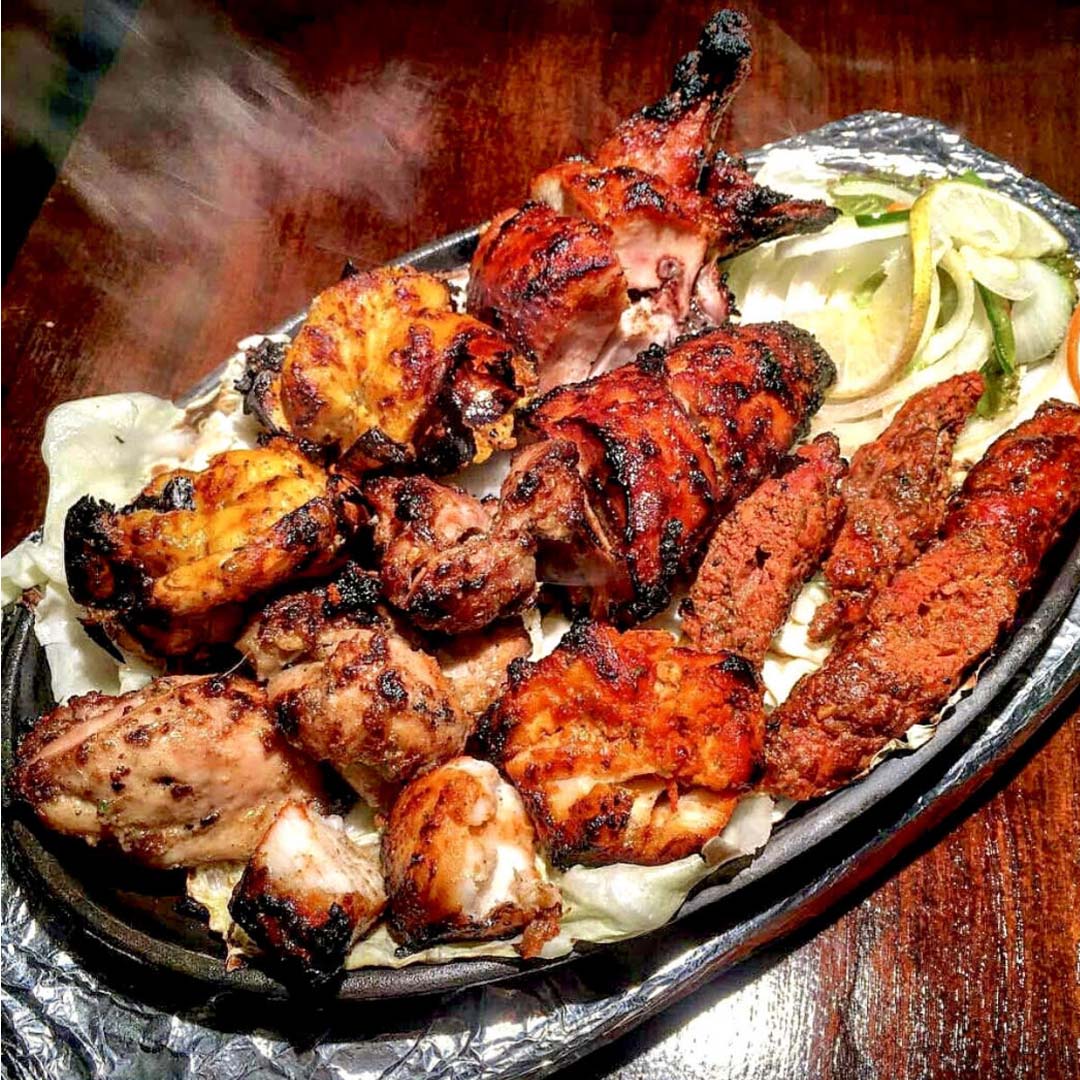
Tandoor cooking creates the high-heat environment used for naan and many traditional Indian dishes.
What Goes Well With Peshwari Naan?
The best way to think about Peshwari naan is contrast.
Because the bread is sweet and aromatic, it often works particularly well with savoury, spicy or richly flavoured dishes.
Here are some combinations worth trying.
Peshwari Naan With Tandoori Chicken
Tandoori chicken provides a smoky, savoury contrast to the sweet naan.
The chicken is traditionally associated with high-temperature cooking and a spiced marinade, giving it a distinctive grilled character.
Put that alongside soft Peshwari naan and you have two very different textures and flavours on the same plate.
The smoky chicken brings savouriness while the naan brings sweetness.
It is a simple but effective combination.
Peshwari Naan With Chicken Tikka Masala
Chicken tikka masala is another natural pairing.
The rich tomato-based sauce, grilled chicken and aromatic spices provide plenty of savoury flavour.
Peshwari naan adds sweetness to the combination.
If you normally order garlic naan with chicken tikka masala, try Peshwari naan next time for a different experience.
You can also explore our Chicken Tikka Masala for more information about this popular dish.
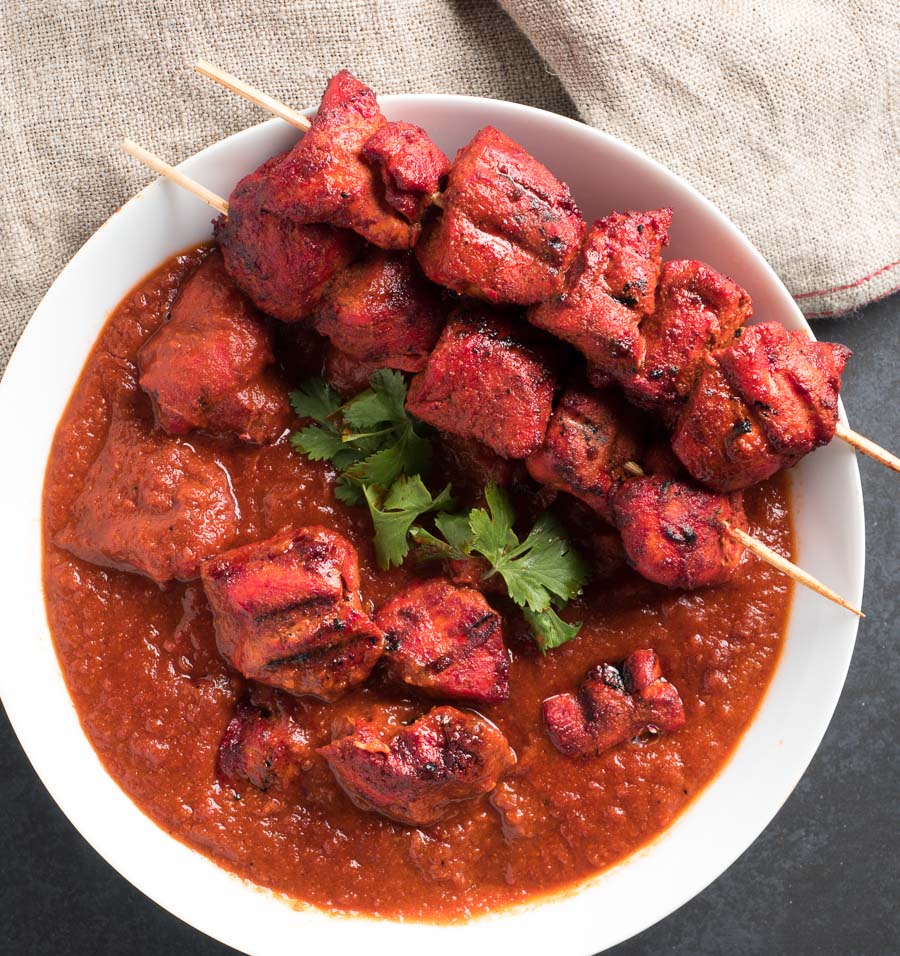
Chicken tikka masala provides a rich, savoury contrast to the gently sweet flavours of Peshwari naan.
Peshwari Naan With Lamb Curry
Rich lamb dishes can work particularly well with sweet naan.
Slow-cooked lamb tends to have a deep, savoury flavour, while spices add warmth and complexity.
The sweetness of Peshwari naan provides a contrasting note.
This is especially enjoyable if you prefer rich curries rather than very mild dishes.
Peshwari Naan With Rogan Josh
Rogan Josh is another interesting option.
Known for its rich colour and aromatic character, Rogan Josh can have a warming spice profile without relying entirely on chilli heat.
That makes it a useful partner for a sweeter bread.
If you want to explore more of our popular dishes, our 10 must-try dishes at Dilchad also features Kashmiri Rogan Josh.
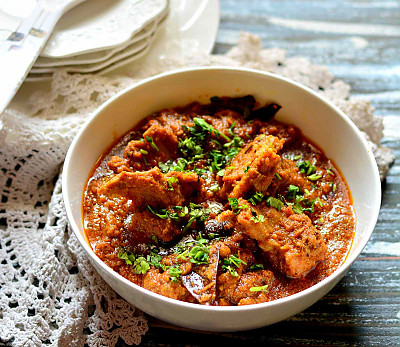
Kashmiri Rogan Josh provides a rich, savoury contrast to sweet and aromatic Peshwari naan.
Peshwari Naan With a Spicy Curry
Perhaps the most obvious pairing is a spicy curry.
Sweetness and heat naturally create contrast.
A spicy curry containing chilli, ginger and other warming spices can taste particularly interesting when eaten with a sweet, aromatic bread.
The Peshwari naan does not remove the heat, but it provides another flavour between mouthfuls.
If you enjoy spicy Indian food, this is one combination worth trying.
Peshwari Naan With Vegetable Curry
Peshwari naan is not only for meat-based dishes.
It can work equally well with vegetable curries.
Earthy vegetables, chickpeas, aubergine, spinach and paneer can all provide savoury flavours that contrast with the sweet bread.
If you are looking for more vegetarian inspiration, read our guide to 10 most popular Indian vegetarian dishes.
The article covers dishes including Paneer Tikka, Chole, Palak Paneer, Aloo Gobi, Rajma and Vegetable Biryani.
Peshwari Naan With Biryani
Can you have Peshwari naan with biryani?
Absolutely.
It is true that both rice and naan provide carbohydrates, so you don’t necessarily need both for a meal.
But Indian restaurant meals are often about sharing and enjoying different flavours.
If you’re sharing a biryani with friends or family, a Peshwari naan can add something different to the table.
The fragrant rice provides savoury spice, while the naan contributes sweetness and softness.
If you’re interested in the different regional styles of biryani, explore our guide to Indian biryani varieties. The guide covers varieties including Hyderabadi, Lucknowi, Kolkata, Bombay and vegetarian biryani.
What Should You Drink With Peshwari Naan?
Your drink choice can also influence the meal.
Plain Lassi
A cooling yoghurt-based lassi can work well with spicy food.
Its refreshing character provides a contrast to both the curry and the warmth of the naan.
Mango Lassi
Mango lassi is creamy and fruity, but remember that both mango lassi and Peshwari naan can be sweet.
If you enjoy sweet flavours, this can be a satisfying combination.
Water
Water is always a straightforward choice when you want the flavours of the food to remain the focus.
Masala Chai
If you are finishing your meal rather than drinking alongside it, masala chai can provide a warm, aromatic ending.
Is Peshwari Naan Vegetarian?
Peshwari naan is often suitable for vegetarians, but ingredients and preparation methods can vary between restaurants.
The filling is commonly based around plant ingredients such as coconut, dried fruit and nuts.
However, the naan dough or finishing process may contain dairy ingredients such as yoghurt, butter or ghee.
If you follow a vegetarian diet, ask the restaurant about the ingredients if you need certainty.
If you follow a vegan diet, checking is particularly important because naan recipes commonly contain dairy.
Does Peshwari Naan Contain Nuts?
It can.
Many Peshwari naan recipes use ground almonds or other nuts, although recipes differ.
Because food allergies can be serious, anyone with a nut allergy should always check the ingredients and preparation process with the restaurant before ordering.
Do not rely solely on the name of the dish to determine whether it is safe for you.
Is Peshwari Naan Healthy?
Peshwari naan is best viewed as a flavour-focused part of an Indian restaurant meal rather than a food chosen specifically for its low-calorie qualities.
The filling can contain sugar, coconut, dried fruit and nuts, while the naan itself may contain dairy or added fats depending on the recipe.
If you are looking for lighter choices, the best approach is to consider the entire meal rather than focusing on one individual food.
For example, you might combine grilled food or vegetables with a smaller portion of rice or bread.
Dilchad also has content covering healthy Indian dishes if you’re looking for ideas.
Peshwari Naan vs Plain Naan: Which Should You Choose?
If you’ve never tried Peshwari naan before, here is a simple way to decide.
Choose plain naan if you:
- Prefer a neutral bread
- Want your curry to remain the main flavour
- Prefer savoury foods
- Want something simple
Choose garlic naan if you:
- Love garlic
- Want a savoury bread
- Enjoy buttery flavours
- Want a familiar Indian restaurant favourite
Choose Peshwari naan if you:
- Enjoy sweet-and-savoury combinations
- Like coconut
- Enjoy dried fruit
- Want to try something different
- Like pairing sweet flavours with spicy food
If you’re dining with a group, ordering different breads for the table is an easy way to experience the difference.
How to Order Peshwari Naan for the First Time
If you are trying Peshwari naan for the first time, keep the rest of your order relatively straightforward.
One good approach is:
Peshwari naan + a savoury or spicy curry + a cooling side
For example:
Peshwari naan + lamb curry + raita
or:
Peshwari naan + chicken tikka masala + vegetable side
This lets the naan’s sweetness contrast with the main dish without making the entire meal overly sweet.
Another option is to order one Peshwari naan and one garlic naan for the table.
That way, you can compare the two breads with the same curry.
Why Try Peshwari Naan at Dilchad?
At Dilchad, Peshwari naan is served alongside familiar Indian breads such as garlic naan.
Our existing food guide describes the Peshwari naan as being filled with sweet coconut and raisins, offering a contrast to spicy mains.
That makes it a natural choice if you want to explore beyond the standard naan options.
Dilchad is located at 24 Widegate Street, Spitalfields, London E1 7HP, making the restaurant convenient for diners visiting the Spitalfields and Liverpool Street area.
If you are planning a visit, explore our guide to the best Indian restaurant in Spitalfields, London to learn more about the restaurant, its location and the food experience.
Frequently Asked Questions About Peshwari Naan
What is Peshwari naan?
Peshwari naan is a filled Indian-style flatbread with a sweet and aromatic filling. Common ingredients include coconut, dried fruit, nuts, sugar and spices such as cardamom.
What does Peshwari naan taste like?
Peshwari naan is generally sweet, nutty, fruity and aromatic. Coconut and dried fruit provide sweetness, while spices add fragrance. The naan itself remains soft and slightly chewy with a lightly toasted exterior.
Is Peshwari naan sweet?
Yes. Peshwari naan is sweeter than plain or garlic naan because of its filling. However, it is normally served as part of a savoury meal rather than as a dessert.
What curry goes best with Peshwari naan?
Peshwari naan can work particularly well with spicy or strongly savoury curries. Chicken tikka masala, lamb curries, Rogan Josh and spicy vegetable dishes can all provide a good contrast to the sweetness of the naan.
Is Peshwari naan vegetarian?
It is often vegetarian, but recipes vary. Some versions may contain dairy ingredients. If you have specific dietary requirements, check the ingredients with the restaurant before ordering.
Does Peshwari naan contain nuts?
Some versions contain ground almonds or other nuts. Always check with the restaurant if you have a nut allergy.
Can you eat Peshwari naan with biryani?
Yes. Although both are carbohydrate-rich foods, they can be enjoyed together, particularly when sharing food with a group. The sweet naan can provide an interesting contrast to the aromatic spices in biryani.
Is Peshwari naan a dessert?
No. Although it is sweet, Peshwari naan is a type of bread normally served alongside the main meal. Its sweetness comes from ingredients such as coconut, dried fruit and sugar.
What is the difference between Peshwari naan and garlic naan?
Garlic naan is savoury, garlicky and often buttery, while Peshwari naan is sweet and aromatic, commonly containing coconut, dried fruit and sometimes nuts.
Final Thoughts: Is Peshwari Naan Worth Trying?
If you’ve always ordered plain naan or garlic naan, Peshwari naan is an easy way to experience something different.
Its combination of soft naan, sweet coconut, raisins, aromatic spices and toasted edges gives it a distinctive flavour that works particularly well against spicy and savoury Indian dishes.
The secret is in the contrast.
Pair it with a rich lamb curry, chicken tikka masala, Rogan Josh, tandoori dishes or a spicy vegetable curry. If you’re sharing a meal, try it alongside garlic naan and compare the two.
And if you’re visiting Dilchad in Spitalfields, don’t overlook Peshwari naan when choosing your bread.
Sometimes discovering a new favourite dish starts with ordering something slightly different from your usual choice.
Ready to try Peshwari naan? Explore the Dilchad menu and discover the flavours of Indian cuisine in Spitalfields, London.
